Behavioral Economics in Prize Accumulation: How Layered Offers Drive Participation Rates in Connected Machine Networks
Casey Coleman · Jul 15, 2026

Behavioral Economics in Prize Accumulation: How Layered Offers Drive Participation Rates in Connected Machine Networks
Behavioral economics examines how psychological factors shape decision making in prize accumulation systems, and connected machine networks apply these principles through structured reward layers that influence player engagement across distributed gaming platforms. Data from multiple jurisdictions shows participation rates respond to combinations of immediate rewards, progressive accumulations, and time-bound incentives rather than isolated jackpot mechanics alone.
Core Principles Applied to Gaming Environments
Prospect theory and loss aversion frameworks help explain why participants respond differently to layered prize structures than to flat payout models, according to studies conducted by academic researchers in North America and Europe. When offers combine small guaranteed returns with larger conditional accumulations, engagement metrics rise because players perceive reduced downside risk while pursuing incremental gains. Connected networks amplify these effects by synchronizing prize pools across terminals, which creates shared progress indicators that maintain attention over extended sessions.
July 2026 regulatory filings from several U.S. state gaming commissions documented increased average session lengths in facilities that implemented multi-tier bonus systems compared with those using single-layer promotions. Observers note the difference appears tied to how layered offers segment player attention into manageable decision points rather than requiring commitment to one high-variance outcome.
Mechanics of Layered Offer Structures
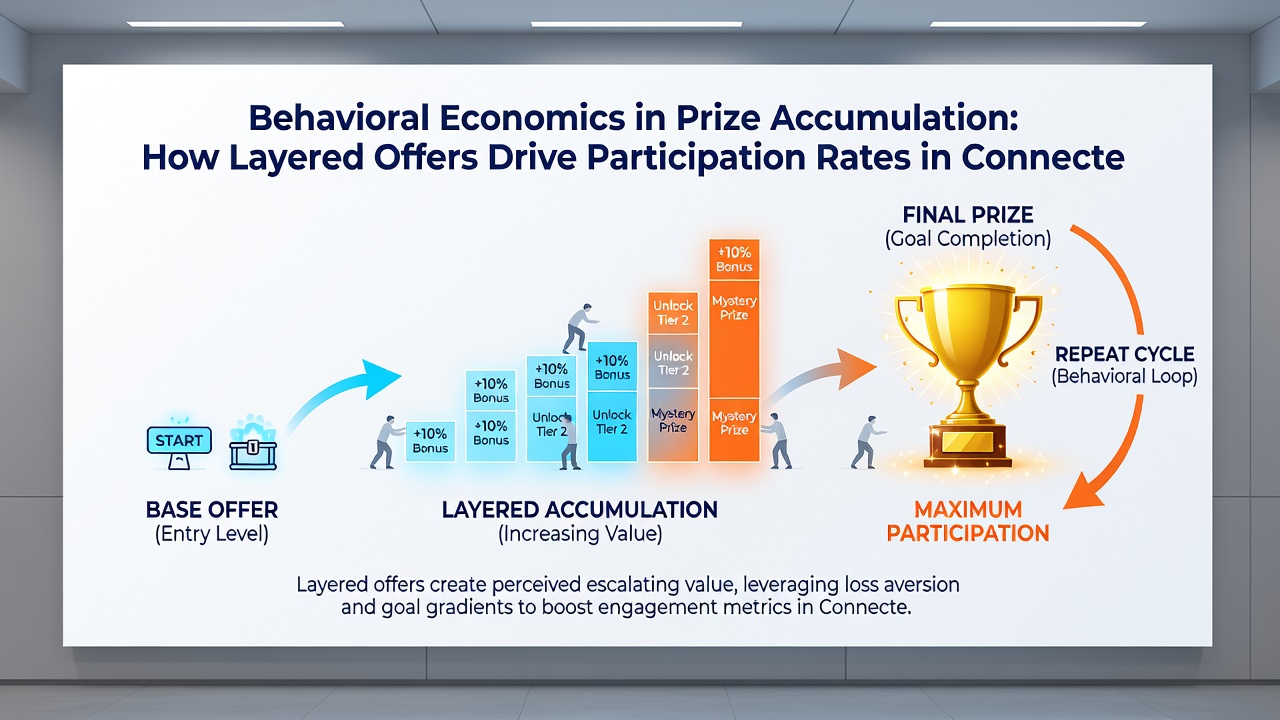
Layered offers typically stack base game returns, mid-level accumulation bonuses, and network-wide progressive elements within the same interface. This arrangement allows participants to experience frequent small reinforcements while contributing to larger shared prizes, which aligns with documented patterns in reinforcement scheduling from behavioral research. Gaming operators configure these layers so that early wins unlock access to subsequent tiers, creating a progression pathway that sustains activity across the network.
Participation data collected from linked machine systems in multiple markets indicates that networks offering three or more distinct reward layers record higher per-terminal activity levels than those limited to two layers. The additional tiers function as intermediate milestones that reduce the psychological distance between starting play and reaching a meaningful payout threshold.
Participation Rate Patterns in Networked Systems
Connected machine networks transmit real-time prize pool updates across terminals, which introduces social comparison elements into individual decision processes. When players observe collective progress toward shared thresholds, individual contribution rates tend to increase because the visible accumulation reduces uncertainty about future outcomes. Industry reports from Australian gaming authorities and Canadian provincial regulators both recorded measurable upticks in daily active terminals following the introduction of synchronized layered promotions.
Timing of offer presentation further modulates these effects. Systems that deliver tiered incentives at variable intervals rather than fixed schedules produce steadier participation curves because the unpredictability maintains engagement without creating predictable drop-off points after each reward cycle. Network operators adjust these intervals based on aggregated session data to align incentive delivery with observed player behavior clusters.
Integration with Broader Market Data
Research institutions tracking gaming trends across jurisdictions have examined how layered prize systems interact with external variables such as regional economic conditions and competing entertainment options. Figures released in mid-2026 from European gaming associations showed that facilities emphasizing multi-layer accumulation maintained steadier participation during periods of economic fluctuation compared with venues relying primarily on high-variance single prizes. The stability arises because layered structures distribute reinforcement opportunities across multiple time horizons, which buffers against temporary shifts in discretionary spending.
One analysis from a U.S. university gaming research center linked higher network connectivity density to stronger responses to layered offers, suggesting that larger connected pools enhance the perceived value of each participation tier. New Jersey Division of Gaming Enforcement statistics from the same period supported this pattern by showing elevated terminal utilization rates in properties with extensive linked progressive systems.
Future Monitoring and Adjustment Mechanisms
Operators continue refining layered offer parameters through ongoing analysis of participation telemetry across connected networks. Adjustments to tier thresholds, reward frequencies, and cross-terminal synchronization occur regularly in response to observed behavioral shifts. Regulatory bodies in several regions require periodic reporting on these modifications to ensure compliance with responsible gaming standards while preserving the engagement effects documented in existing data sets.
Conclusion
Layered prize structures in connected machine networks draw on established behavioral economics mechanisms to shape participation patterns through sequenced incentives and shared progress indicators. Available data from regulatory filings and academic monitoring efforts through July 2026 demonstrate consistent associations between multi-tier offer designs and sustained engagement metrics across varied market conditions. Continued observation of these systems will clarify how specific configurations interact with network scale and external factors to determine long-term participation outcomes.