Deciphering Sequence Dependencies in Award Allocation Systems for Networked Slot Environments
Riley Brooks · Jul 17, 2026
Deciphering Sequence Dependencies in Award Allocation Systems for Networked Slot Environments
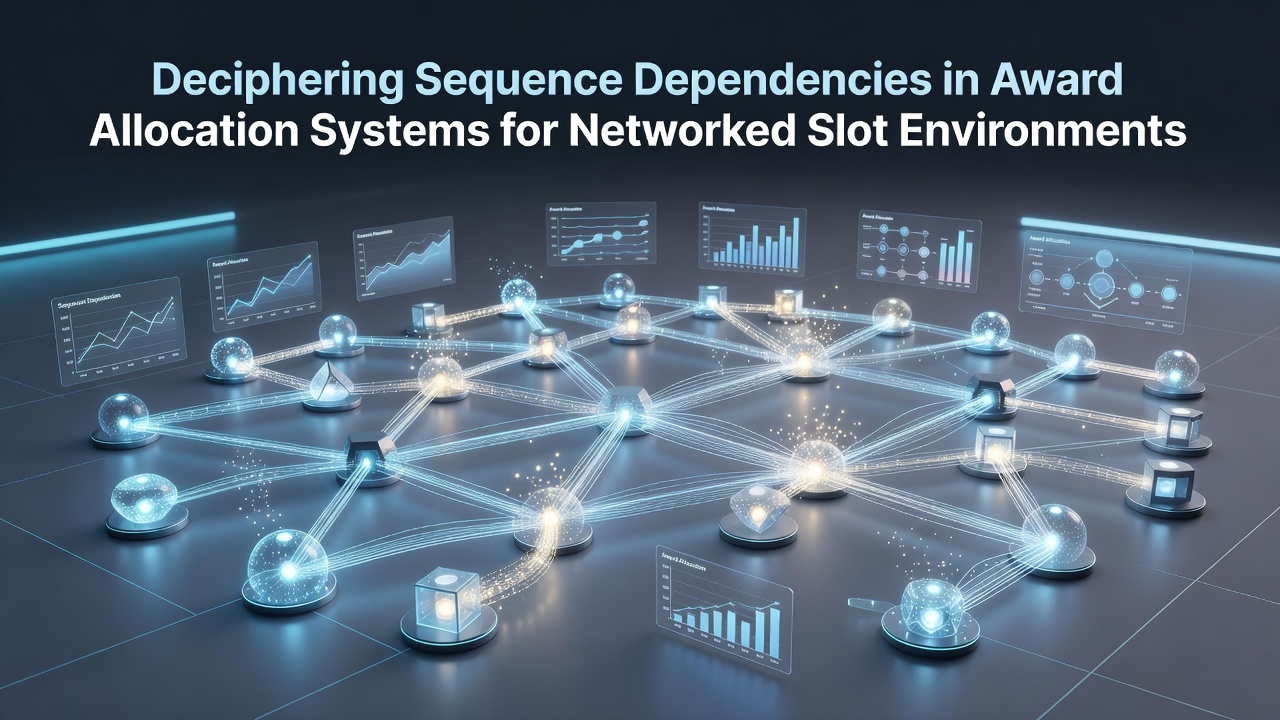
Networked slot environments connect individual machines through central servers that manage progressive pools and distributed prize structures, and sequence dependencies emerge when the order of player actions influences how awards flow across the network. Data from multiple casino operators shows that bet timing, spin frequency, and session patterns interact with allocation algorithms to determine prize distribution, particularly in systems where servers track cumulative activity across linked terminals. Researchers tracking these patterns note that early-session bets often trigger different reward pathways than later ones because servers recalibrate contribution rates based on real-time network load. In July 2026 several North American properties reported adjustments to their allocation protocols after observing how clustered high-frequency spins altered progressive contributions in linked configurations.Core Mechanics of Sequence Tracking
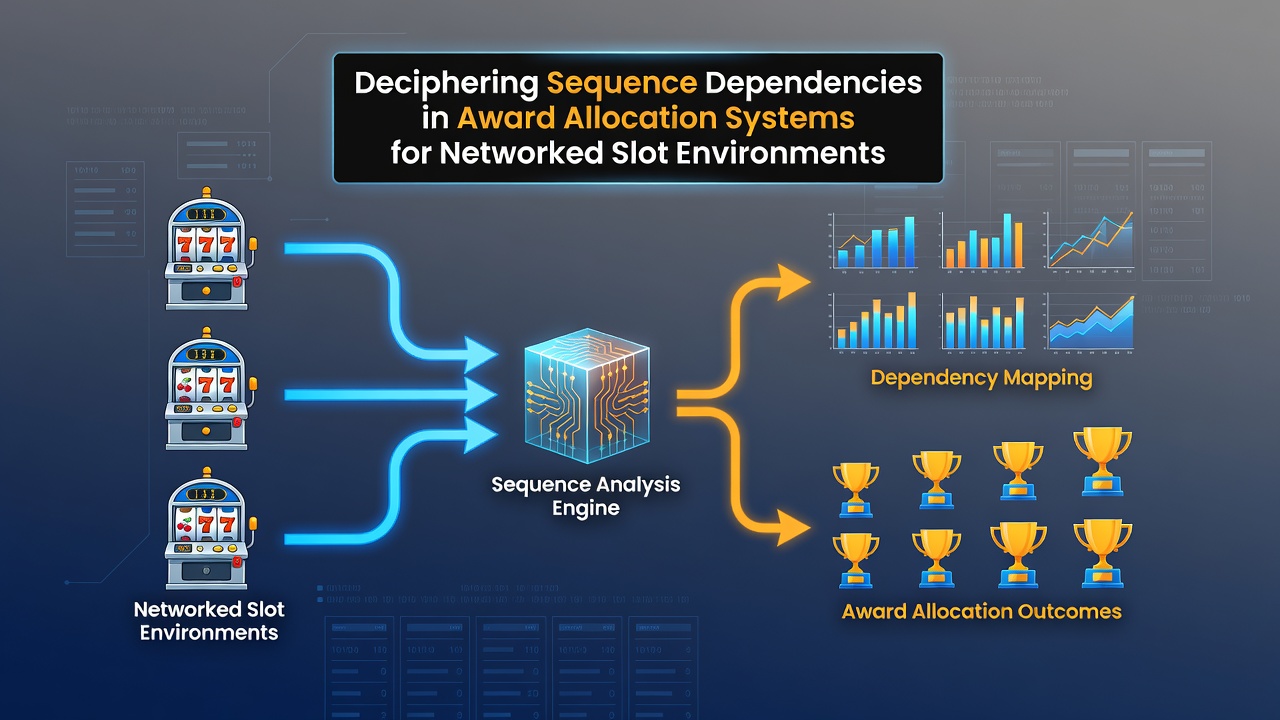
Allocation systems record each wager as part of a temporal chain rather than an isolated event, which allows servers to apply weighting factors that shift according to preceding activity. Operators using these models adjust prize release thresholds when sequences show rapid acceleration or prolonged plateaus, because both patterns affect the rate at which funds accumulate in shared pools.
Analysts at the Nevada Gaming Control Board have documented cases where machines on the same network released mid-tier awards only after a minimum number of sequential low-variance bets occurred within a defined window. Such rules prevent premature depletion of progressive reserves while maintaining steady contribution from the entire bank of terminals.
Data Patterns Across Linked Platforms
Studies of multi-site networks reveal that geographic clustering of play sessions produces measurable effects on award timing. When players at one location initiate extended sequences during peak hours, servers sometimes redirect incremental contributions toward terminals at secondary sites to balance overall network activity.
One examination of server logs from Canadian gaming facilities found that sequences lasting longer than forty-five minutes correlated with a 12 percent increase in cross-terminal prize triggers compared with shorter bursts. These findings prompted operators to refine their monitoring dashboards so that sequence length becomes a visible variable in real-time allocation decisions.
Regulatory and Technical Considerations
Regulatory bodies in multiple jurisdictions require operators to maintain transparent records of how sequence data feeds into award calculations. The Alcohol and Gaming Commission of Ontario issued updated technical standards in early 2026 that mandate logging of at least five preceding bets before any progressive award can be finalized, ensuring that isolated spins do not bypass the dependency checks built into the central system.
Software providers have responded by embedding sequence-validation modules directly into the server architecture. These modules evaluate whether a current wager aligns with or deviates from recent patterns, then apply conditional multipliers or hold periods accordingly. Implementation reports indicate that such modules reduce variance spikes without altering the underlying random number generation processes.
Operational Impacts on Network Performance
Casino engineering teams monitor sequence dependencies to optimize server capacity during high-traffic periods. When multiple sequences converge on similar timing profiles, bandwidth allocation for prize verification increases, which can delay confirmation messages sent back to individual terminals. Properties that pre-allocate extra processing threads for sequence-heavy intervals report fewer interruptions in progressive meter updates.
Industry associations such as the American Gaming Association have compiled case summaries showing that consistent sequence monitoring correlates with smoother prize payouts across distributed environments. Facilities adopting these practices record fewer manual interventions when reconciling daily progressive totals.
Conclusion
Sequence dependencies in networked slot award systems represent a measurable layer of interaction between player activity and server-side allocation rules. Continued collection of timing and order data enables operators and regulators to maintain balanced prize distribution while complying with evolving technical standards. As networks expand across additional jurisdictions through 2026, the precision of these dependency models will determine how efficiently progressive and tiered awards reach participants without creating unintended bottlenecks or imbalances.