Decoding Layered Reward Pathways in Multi-Operator Digital Gaming Networks
Greta Simon · Jun 10, 2026
Decoding Layered Reward Pathways in Multi-Operator Digital Gaming Networks
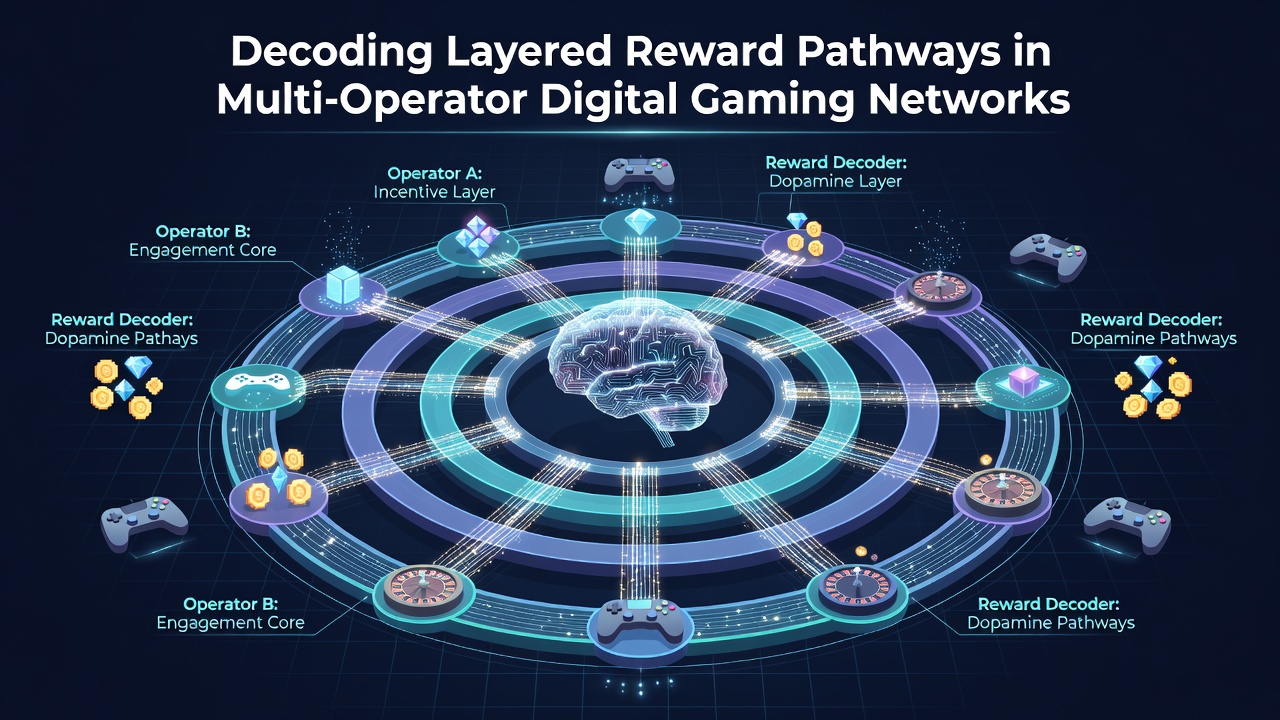
Multi-operator digital gaming networks operate through interconnected systems that distribute rewards across shared platforms and separate casino operators at the same time. These setups rely on synchronized databases and application programming interfaces that track player activity while layering bonuses, loyalty points, and progressive contributions from one venue into another. Data flows between servers allow a single wager to trigger rewards in multiple tiers simultaneously, and network operators coordinate these pathways to maintain consistent payout structures.
Core Mechanics Behind Reward Layering
Layered reward pathways begin with base contributions from individual games, then build upward through cross-operator pools that aggregate funds from dozens of sites. Each participating operator feeds a percentage of wagers into central progressive meters while also maintaining local bonus structures that stack on top of the shared layer. Software protocols timestamp every transaction so that reward eligibility updates in real time across all connected platforms, and this synchronization prevents duplicate claims while ensuring players receive credits from every eligible tier.
Studies from the University of Nevada's International Gaming Institute show how these systems allocate portions of revenue to different reward strata, with the lowest layer covering immediate cashback and the highest layer funding rare jackpot triggers. Operators use encryption standards to secure the data exchange, and compliance teams audit the flow regularly to meet requirements set by bodies such as the Nevada Gaming Control Board.
Player Engagement Patterns Across Networks
Players accumulate rewards by moving between operators within the same network, and session data reveals that extended play across multiple sites increases the probability of hitting intermediate bonus thresholds. Tracking software records the sequence of bets and the timing between them, which determines whether a player qualifies for escalated reward multipliers that only activate after crossing operator boundaries. Figures released by the American Gaming Association indicate that networked loyalty programs now account for measurable portions of overall player retention in both online and retail environments.
Regulatory and Technical Safeguards in 2026
As of June 2026 several jurisdictions have updated their rules to cover the growing complexity of multi-operator reward systems. Regulators require detailed reporting on how funds move between layers and demand independent verification that progressive contributions remain segregated from operator-specific bonuses. Technical audits examine the latency of data transfers because even brief delays can affect whether a player receives a layered reward before the next game round begins.
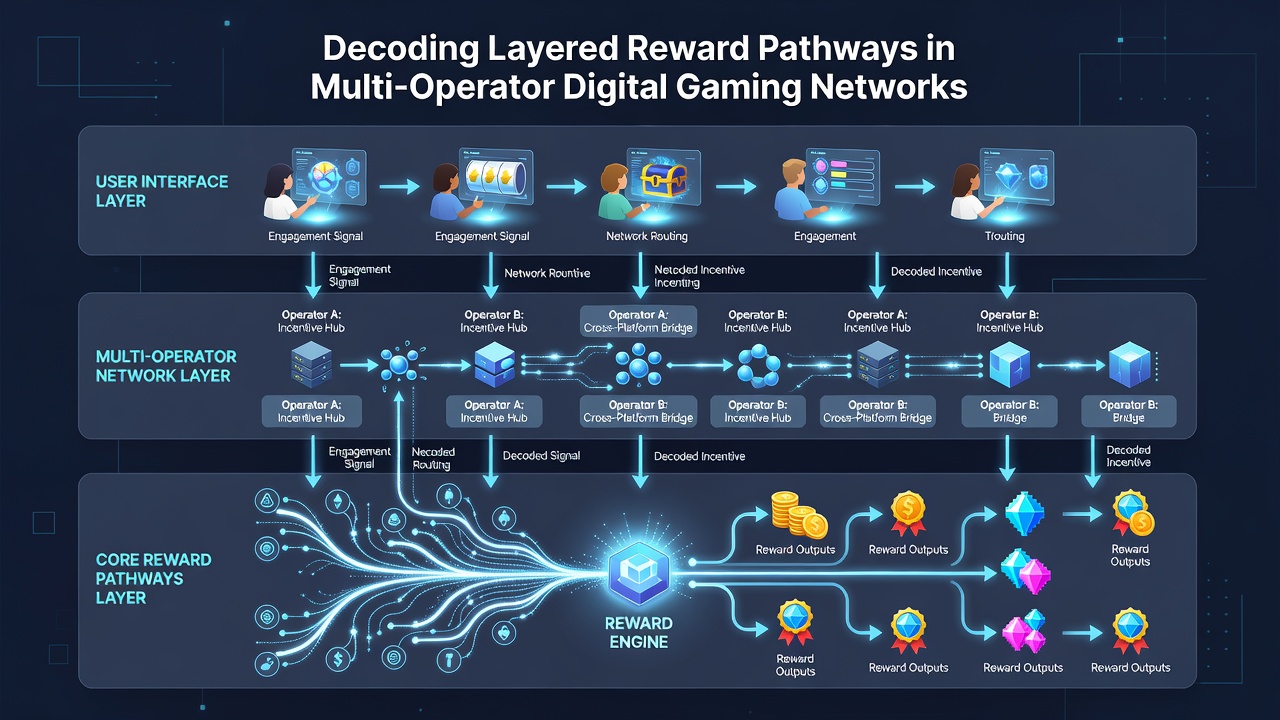
Network administrators implement failover mechanisms so that if one operator's server experiences downtime the remaining layers continue to function without interruption. These measures keep reward pathways intact while satisfying oversight from agencies including the Alcohol and Gaming Commission of Ontario, which has published guidelines on cross-platform data handling.
Revenue Distribution and Settlement Processes
Settlement occurs through automated clearing houses that reconcile contributions from each operator at the end of daily cycles. The process separates funds destined for the shared progressive pool from those allocated to local bonuses, and operators receive statements that itemize every reward tier. Research reports from the European Gaming and Betting Association document how these reconciliations reduce disputes and maintain transparency across borders when networks span multiple regulatory regions.
Timing patterns play a direct role because longer average session durations correlate with higher cumulative contributions to the upper reward layers. Analysts monitor these patterns to adjust contribution rates so that the overall system remains balanced, and operators receive predictive models that forecast when certain layers are likely to trigger based on aggregate player behavior.
Future Developments in Network Architecture
Engineers continue to refine the protocols that manage layered rewards, with newer versions incorporating machine-learning models that predict player movement between operators. These models help allocate marketing incentives more precisely while preserving the integrity of the reward pathways themselves. Industry observers note that continued expansion of 5G connectivity will further reduce latency in cross-operator data exchanges, allowing reward updates to occur within milliseconds of each qualifying wager.
Conclusion
Layered reward pathways in multi-operator digital gaming networks represent a coordinated approach to distributing value across separate business entities while delivering seamless experiences to players. The combination of synchronized databases, regulatory oversight, and technical safeguards ensures that contributions from every wager reach the appropriate tiers without overlap or omission. As networks scale through 2026 and beyond, the same principles of transparency and real-time reconciliation will continue to govern how rewards accumulate and settle across the broader gaming ecosystem.