Exploring Engagement Rhythms Within Layered Incentive Structures Across Networked Gaming Platforms
Riley Brooks · Jul 1, 2026
Exploring Engagement Rhythms Within Layered Incentive Structures Across Networked Gaming Platforms
Networked gaming platforms organize player activity through layered incentive structures that combine daily login rewards, achievement tiers, and cross-server progression systems, and researchers track how these layers create distinct engagement rhythms over time. Data from multiple platform operators shows that players interact with base-level rewards at regular intervals while advancing through mid-tier challenges at variable rates, whereas top-layer competitions unfold across extended periods that span weeks or months. Studies conducted in early 2026 indicate that session lengths average 45 minutes when users focus on immediate rewards yet extend beyond two hours once layered goals align across networked servers.
Core Components of Layered Incentive Systems
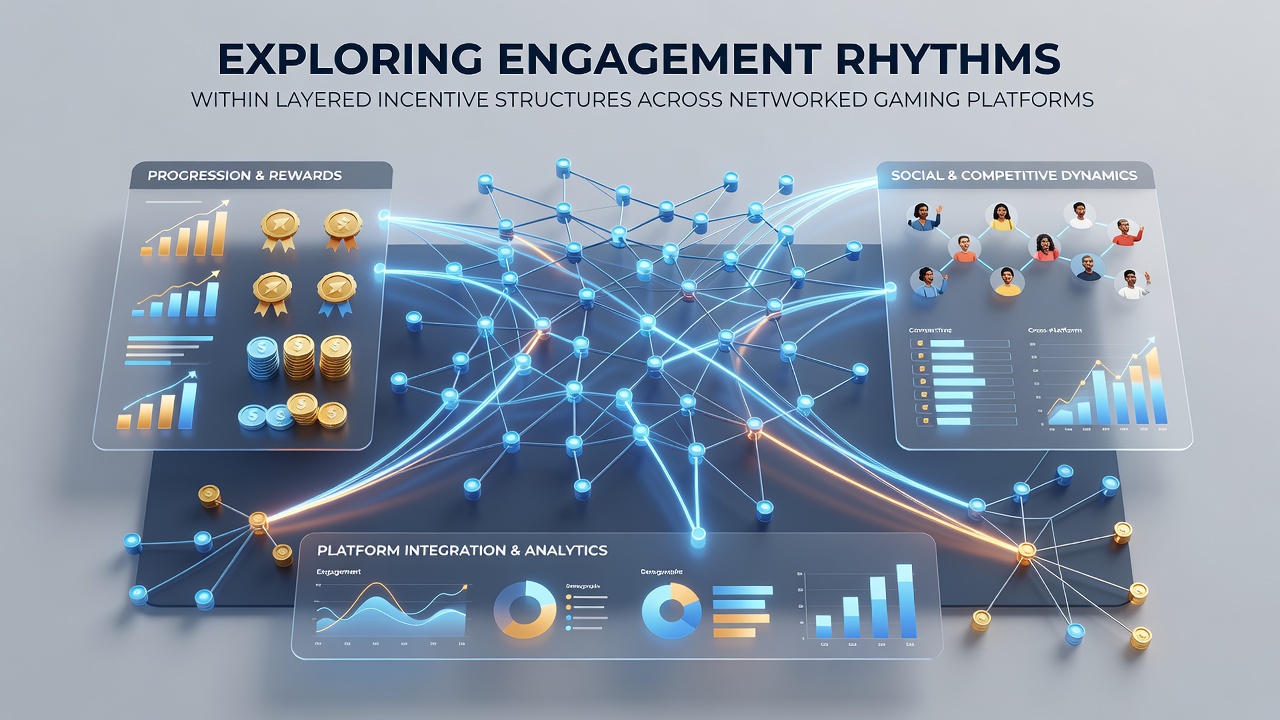
Platform developers build incentive layers that stack short-term tasks onto longer progression arcs, and this stacking produces measurable patterns in login frequency and activity duration. Base layers typically deliver instant feedback through currency grants or cosmetic items, while secondary layers require cumulative actions such as completing weekly quests that contribute to seasonal leaderboards. Tertiary layers connect multiple platforms so that progress on one server influences rewards available on another, creating synchronized activity spikes when cross-network events launch. According to reports from the Entertainment Software Association, these multi-platform linkages increased average monthly active users by 18 percent between January and June 2026.
Rhythm Patterns Observed Across Platforms
Engagement rhythms emerge when players synchronize their activity with the reset cycles of each incentive layer, and analysts note that daily resets drive consistent morning and evening logins while weekly resets generate mid-week surges. Monthly or seasonal layers produce broader waves of participation that peak during the final days before deadlines, and networked systems amplify these peaks when shared events force simultaneous activity across regions. One analysis of server logs from major titles revealed that 62 percent of players complete base-layer tasks within the first four hours of each daily cycle, yet only 27 percent advance into mid-layer content during the same window. These staggered completion rates create a cascading effect where early finishers move into higher layers and influence community-wide pacing.
Cross-Platform Data Integration and Player Behavior
Networked platforms share player data through centralized accounts, which allows incentive layers to respond to activity performed on different devices or titles, and this integration alters traditional engagement rhythms. Players who begin a session on a mobile device often continue progress on console or PC once higher-layer tasks unlock, and usage logs show that such handoffs increase total playtime by an average of 35 minutes per session. Research from the University of Alberta's gaming behavior lab found that participants exposed to synchronized incentives across three platforms maintained consistent daily logins 41 percent longer than those limited to single-platform rewards. The study tracked 2,400 users over eight weeks in spring 2026 and recorded precise timestamps for each layer interaction.
July 2026 Platform Updates and Observed Shifts
During July 2026 several major platforms introduced revised incentive calendars that shortened weekly cycles from seven to five days while extending seasonal layers by two additional weeks, and early telemetry indicates these adjustments redistributed engagement peaks. Login clusters that previously concentrated on weekends spread more evenly across the new five-day windows, and cross-network events scheduled in the extended seasonal periods attracted higher concurrent user counts. Platform operators reported that average session frequency rose by 12 percent in the first three weeks after the changes took effect, while total hours spent per user remained stable. These modifications demonstrate how small alterations to layer timing can recalibrate broader rhythm patterns without changing overall play volume.
Measurement Techniques Used by Analysts
Researchers apply time-series analysis to server telemetry in order to isolate rhythm signatures associated with each incentive layer, and they segment data by player cohort to reveal differences between casual and dedicated groups. Heatmap visualizations display hourly activity density across days of the week, while cohort retention curves track how long players remain engaged once they reach specific layer thresholds. One industry report compiled by the Interactive Games and Entertainment Association highlighted that players who reach the third incentive layer within the first month exhibit retention rates 2.3 times higher than those who remain in base layers. The report drew on anonymized datasets from 14 networked titles operating in North America, Europe, and Asia-Pacific markets during the first half of 2026.
Conclusion
Layered incentive structures across networked gaming platforms generate identifiable engagement rhythms through the interaction of reset cycles, cross-server linkages, and tiered reward pacing. Data collected through 2026 shows that adjustments to layer duration and synchronization directly influence login patterns and session distribution, while measurement methods continue to refine understanding of how players navigate these systems. Continued observation of these rhythms provides platform operators with concrete metrics for evaluating incentive effectiveness and planning future structural changes.