Mapping Sequential Trigger Events to Prize Escalations in Shared Jackpot Reel Frameworks
Erik Lehmann · Aug 23, 2026
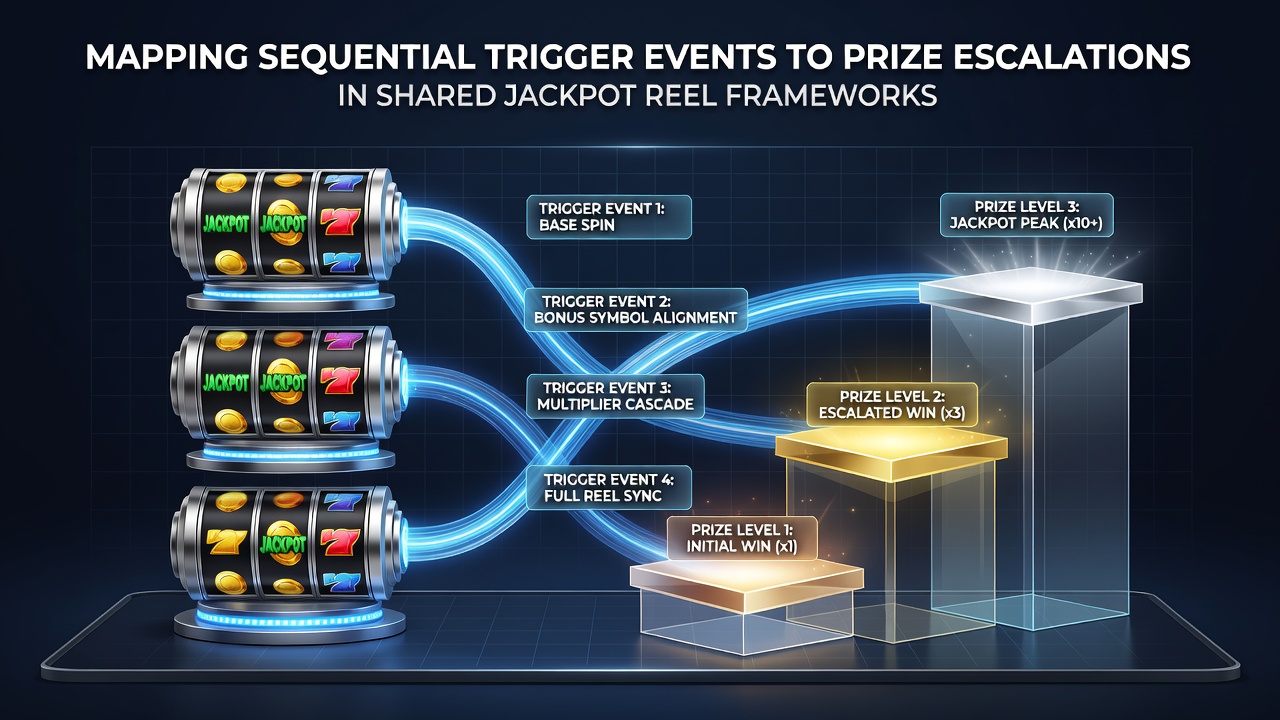
Mapping Sequential Trigger Events to Prize Escalations in Shared Jackpot Reel Frameworks
Shared jackpot reel frameworks operate through networked slot systems where multiple machines contribute to a common prize pool, and sequential trigger events determine how those pools escalate in value over time. Researchers have documented that these frameworks rely on specific symbol combinations, bonus round activations, and player sequence patterns to advance prize levels across connected gaming servers. Data from various casino networks shows that each completed trigger sequence feeds directly into tiered escalation protocols, shifting base jackpot amounts upward without requiring separate manual adjustments.
Core Mechanics of Trigger Mapping
Engineers design these systems so that initial triggers such as three matching scatter symbols initiate the first escalation stage, after which subsequent events like four-of-a-kind reel alignments or free spin chain completions map onto higher prize brackets. Observers note that the process unfolds in ordered layers, where each layer registers the prior trigger outcome as input and calculates the next available multiplier or fixed increment. In August 2026, several networked platforms reported measurable increases in jackpot velocity following the implementation of refined trigger-mapping algorithms that reduced latency between event registration and prize adjustment.
Those who study reel dynamics have identified that shared frameworks often incorporate timestamped event logs, allowing operators to trace how one machine's trigger influences prize growth visible to all linked terminals. This mapping occurs through centralized controllers that apply predefined escalation tables, ensuring consistency across geographic clusters of gaming floors. Studies from research institutions indicate the tables factor in variables such as total coin-in volume, session duration averages, and the frequency of partial trigger sequences that fail to reach full activation.
Data Patterns Across Networked Systems
Figures released by the Nevada Gaming Control Board reveal that sequential mapping contributes to smoother prize distribution curves when compared against standalone progressive models. One analysis of multi-site deployments found that machines logging three or more consecutive trigger events within a 15-minute window experienced accelerated escalation rates of up to 18 percent relative to isolated activations. These patterns hold across both land-based and digital platforms that share the same backend architecture.
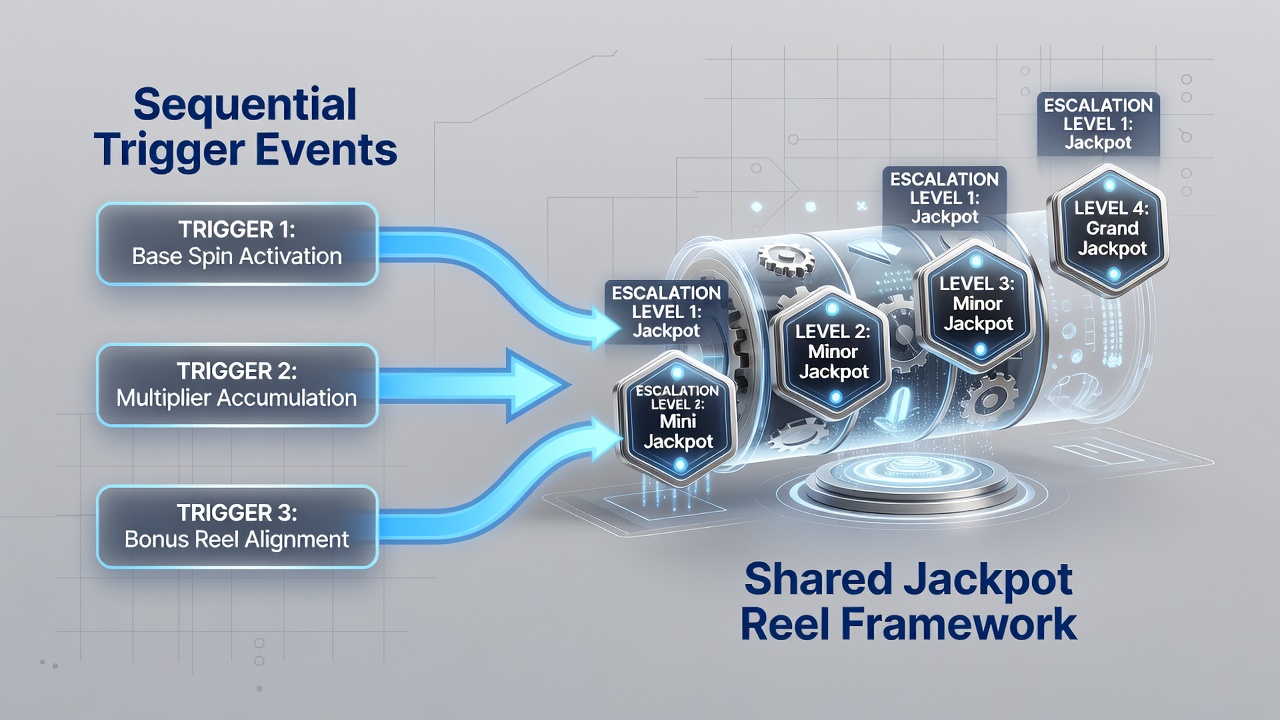
What's notable is the role of partial sequences, where two out of three required symbols appear and still register as contributing data points that influence the overall escalation trajectory. Industry reports from the Australasian Gaming Council highlight that such partial contributions accumulate across thousands of spins, creating a statistical base that supports larger jumps once the full sequence completes. Operators use this accumulated data to calibrate minimum bet thresholds that unlock higher mapping tiers, thereby aligning player activity levels with prize growth schedules.
Integration with Regulatory Oversight
Regulatory bodies in multiple jurisdictions require transparent documentation of how trigger events translate into prize changes, particularly when networks span state or provincial lines. The Alcohol and Gaming Commission of Ontario, for instance, mandates audit trails that log every sequential step from initial symbol alignment through final jackpot increment. Compliance teams review these logs to verify that escalation formulas remain unaltered from their certified versions, preventing unauthorized adjustments that could affect payout percentages.
Academic papers published through the University of Nevada, Reno gaming management program have examined how these mapping protocols interact with player behavior metrics, noting that longer session durations correlate with denser clusters of trigger events and correspondingly steeper prize curves. The findings emphasize that the relationship remains probabilistic rather than deterministic, with random number generators continuing to govern individual reel outcomes even as aggregate data shapes the shared pool dynamics.
Conclusion
Mapping sequential trigger events to prize escalations forms a foundational element of shared jackpot reel frameworks, connecting individual machine activity to collective reward structures through structured data pathways. Evidence from regulatory filings, network performance reports, and academic examinations continues to illustrate the technical precision required to maintain fairness while enabling dynamic prize growth. As gaming platforms expand their interconnected footprints, the documented methods for recording and applying these sequences provide the operational backbone that sustains both player engagement and system integrity across evolving market conditions.