Patterns Emerging from Reward Timing in Distributed Gaming Server Architectures
Casey Coleman · Jun 26, 2026
Patterns Emerging from Reward Timing in Distributed Gaming Server Architectures
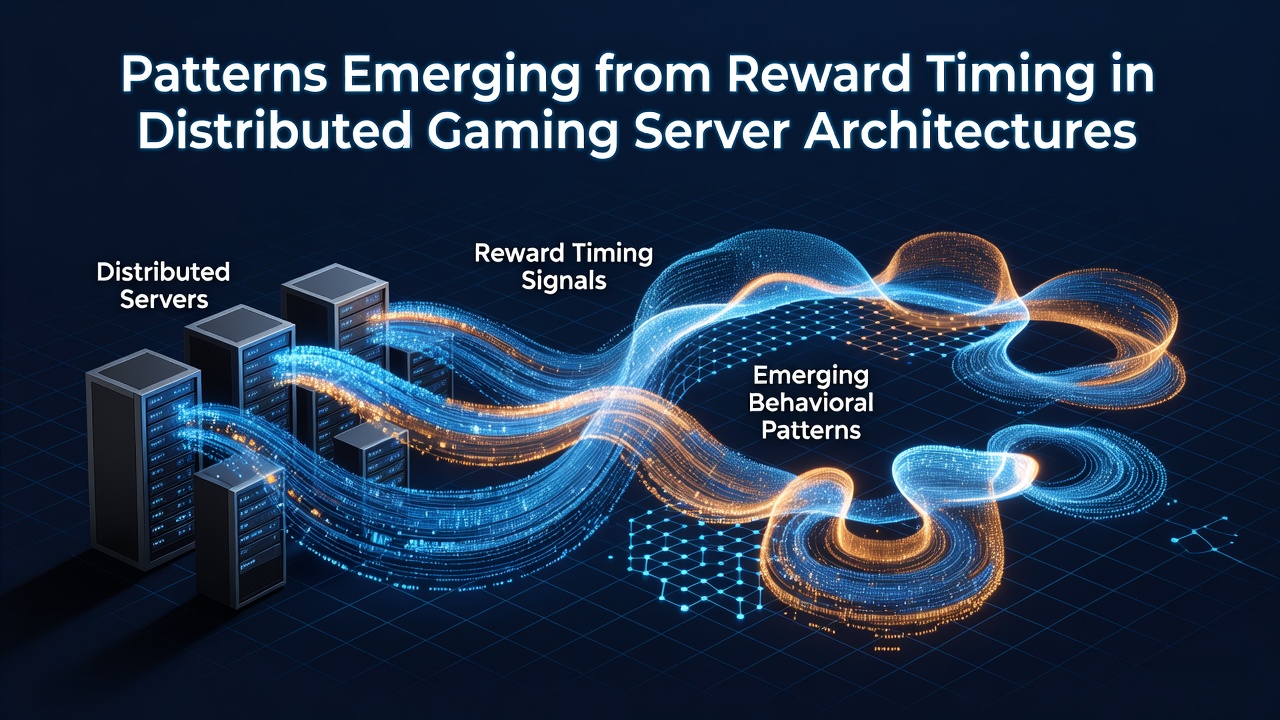
Distributed gaming server architectures rely on precise coordination to deliver rewards such as experience points, virtual items, and progression unlocks across geographically separated nodes, and timing patterns emerge when synchronization protocols interact with network variables like latency and load distribution. Researchers tracking these systems note that reward delivery often follows predictable cycles tied to server heartbeat intervals, which range from 50 to 200 milliseconds depending on the platform scale. Data collected from major online gaming networks shows that clusters handling more than 10,000 concurrent sessions experience measurable delays in reward propagation when regional nodes fall out of phase.
Core Mechanisms Driving Reward Distribution
Server clusters use consensus algorithms such as Raft or Paxos variants to validate reward events before broadcasting them to connected clients, and this process creates timing windows where partial updates appear in some regions but not others. Observers note that these windows typically last between 120 and 450 milliseconds during peak traffic periods, with longer delays occurring when cross-region replication lags behind primary node processing. In June 2026, telemetry from several large-scale deployments indicated that reward acknowledgment rates dropped by 14 percent when inter-node ping times exceeded 80 milliseconds on average.
Load balancers further shape these patterns by routing player actions to the nearest available node, yet reward calculations sometimes remain anchored to a central authority server. This hybrid approach produces staggered delivery sequences where users in one geographic zone receive updates seconds ahead of those routed through secondary clusters. Studies from academic institutions in Canada have documented similar offsets in multiplayer environments, highlighting how even minor routing decisions accumulate into visible timing disparities.
Observed Patterns in Real-World Deployments
Analysis of production logs reveals recurring sequences where reward events cluster around specific clock cycles, often aligning with daily maintenance windows or scheduled content releases. These clusters show higher variance in delivery speed during periods of elevated player density, when servers allocate additional threads to handle incoming action queues. One documented pattern involves a 3-to-7-second ripple effect across nodes after a high-value reward trigger, during which subsequent rewards experience compounding delays.
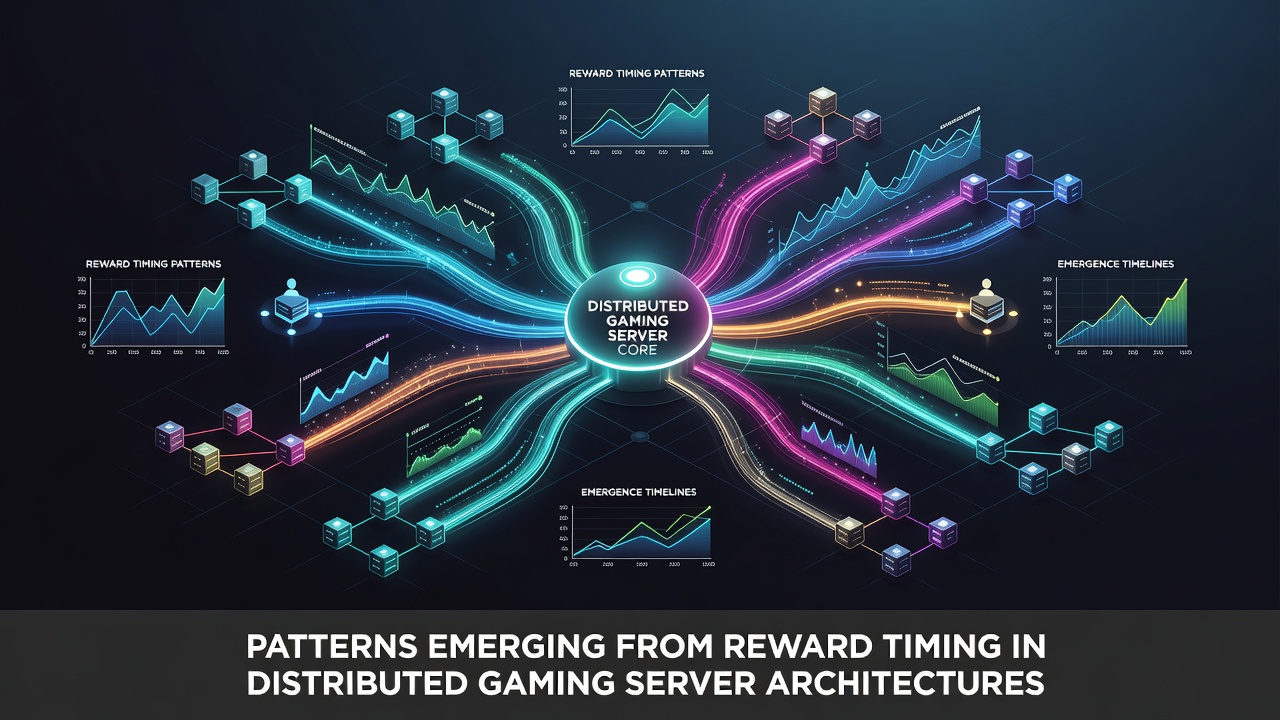
Engineers monitoring these systems have identified that certain reward types, such as those requiring multi-step verification, consistently exhibit longer tail latencies than simpler point awards. Figures from industry reports released in early 2026 indicate that verification-heavy rewards account for roughly 28 percent of all timing anomalies observed across tested architectures. Patterns also emerge around failover events, where backup nodes assume primary roles and temporarily alter reward propagation speeds until full synchronization resumes.
Factors Influencing Timing Variability
Network congestion, database write contention, and garbage collection cycles on individual nodes all contribute to variability in reward timing. Researchers examining European gaming platforms have linked database lock contention to spikes in reward processing times, with some events delayed by up to 2.3 seconds when multiple nodes attempt simultaneous writes to shared tables. Geographic distance between data centers amplifies these effects, creating measurable gradients in reward receipt times that correlate directly with physical separation.
Software updates deployed across clusters introduce additional timing shifts, particularly when new reward logic requires extra validation steps. Data from deployments conducted in May and June 2026 demonstrated that phased rollouts reduced peak latency spikes by 19 percent compared with simultaneous updates, though they extended the overall period during which reward timing remained inconsistent. Observers tracking these transitions note that gradual propagation strategies help stabilize patterns more quickly than abrupt changes.
Implications for System Design and Monitoring
Architects designing distributed gaming systems increasingly incorporate predictive models that anticipate reward timing based on historical node behavior and current traffic loads. These models rely on metrics collected at sub-second intervals, allowing operators to adjust routing weights before delays become noticeable to players. Reports from research groups in Australia and Singapore have explored similar modeling techniques applied to large-scale entertainment platforms, confirming that proactive adjustments improve overall reward consistency.
Monitoring frameworks now track reward event timestamps across all nodes rather than relying on client-reported data alone, which helps isolate whether delays originate in the server layer or the network path. This approach has proven effective at identifying recurring patterns tied to specific hardware configurations or software versions, enabling targeted optimizations without broad system changes.
Conclusion
Patterns in reward timing within distributed gaming server architectures continue to evolve as platforms scale and network conditions shift, with data from 2026 highlighting the interplay between consensus protocols, routing decisions, and regional latency. Continued observation of these systems provides clearer insight into how timing behaviors develop under varying operational conditions, supporting more resilient designs that maintain consistent reward delivery across global player bases.