Player Retention Mechanisms Through Tiered Bonus Systems in High Roller Slot Offerings
Greta Simon · Jun 28, 2026
Player Retention Mechanisms Through Tiered Bonus Systems in High Roller Slot Offerings
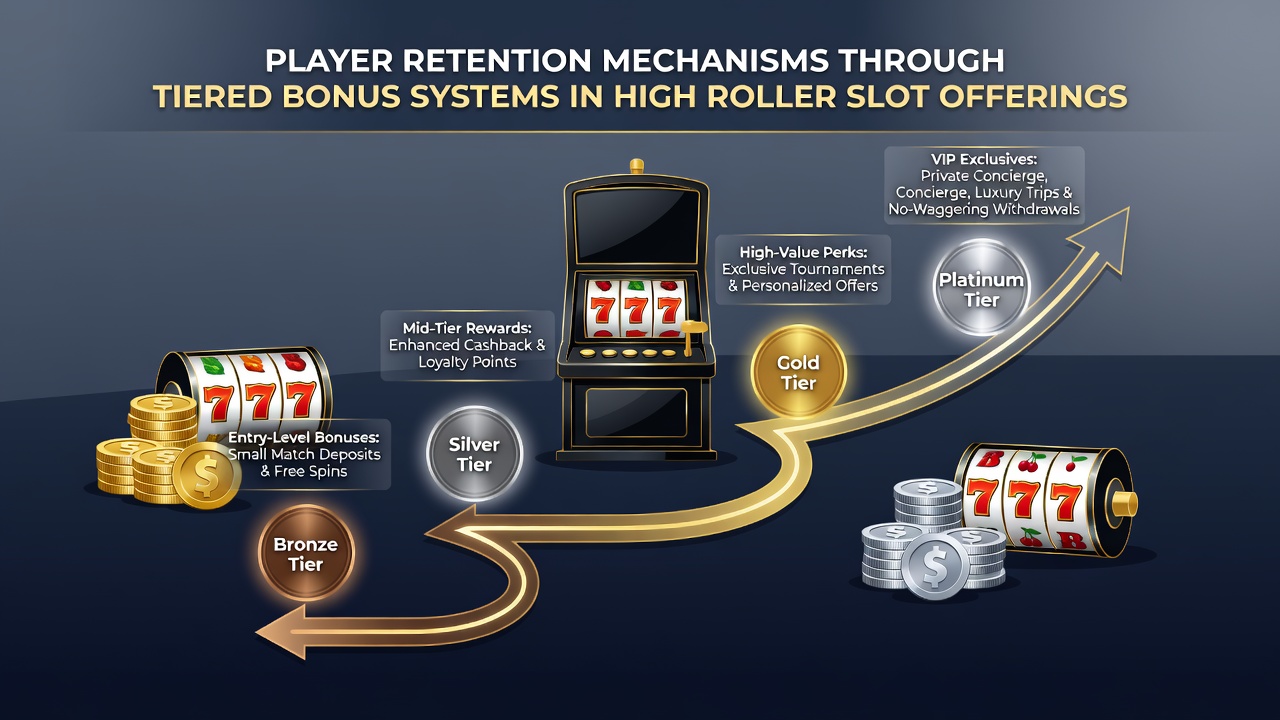
Tiered bonus systems structure rewards around player activity levels, and operators apply these frameworks to high roller slot offerings where larger wagers generate corresponding benefit escalations. These mechanisms track metrics such as total coin-in, session frequency, and average bet size before assigning participants to bronze, silver, gold, or platinum categories, each carrying distinct cashback percentages, multiplier boosts, and exclusive free spin allocations. High-volume players move between tiers when cumulative play reaches predefined thresholds, with systems recalculating status at fixed intervals that often align with monthly or quarterly cycles. Data from networked slot platforms indicate that players who advance one tier typically extend average session lengths by measurable margins, since incremental rewards encourage continued engagement rather than abrupt departures after initial wins or losses.Mechanics of Tier Progression and Reward Allocation
Operators configure loyalty engines to award points per dollar wagered, yet high roller slots frequently apply accelerated earning rates once daily or weekly play exceeds set volumes. A player reaching gold status might receive 1.5 percent cashback on losses alongside access to private progressive pools, while platinum participants gain entry to invitation-only tournaments and higher multiplier free spin rounds tied to specific reel configurations.
These progressions operate through centralized player tracking databases that interface with slot management systems, allowing real-time updates visible on in-game displays or dedicated mobile apps. June 2026 reports from several U.S. properties showed increased adoption of dynamic tier resets that incorporate both volume and consistency factors, reducing churn among players whose activity fluctuates seasonally.
Integration with Progressive Jackpot Structures
Tiered bonuses frequently intersect with progressive jackpot networks by granting high-tier players additional entries or accelerated contribution rates toward shared prize pools. This linkage creates pathways where accumulated free spins or bonus credits convert into larger wagers that feed the same progressive meters available to general players, though high rollers often receive supplemental qualifiers unavailable at lower tiers.
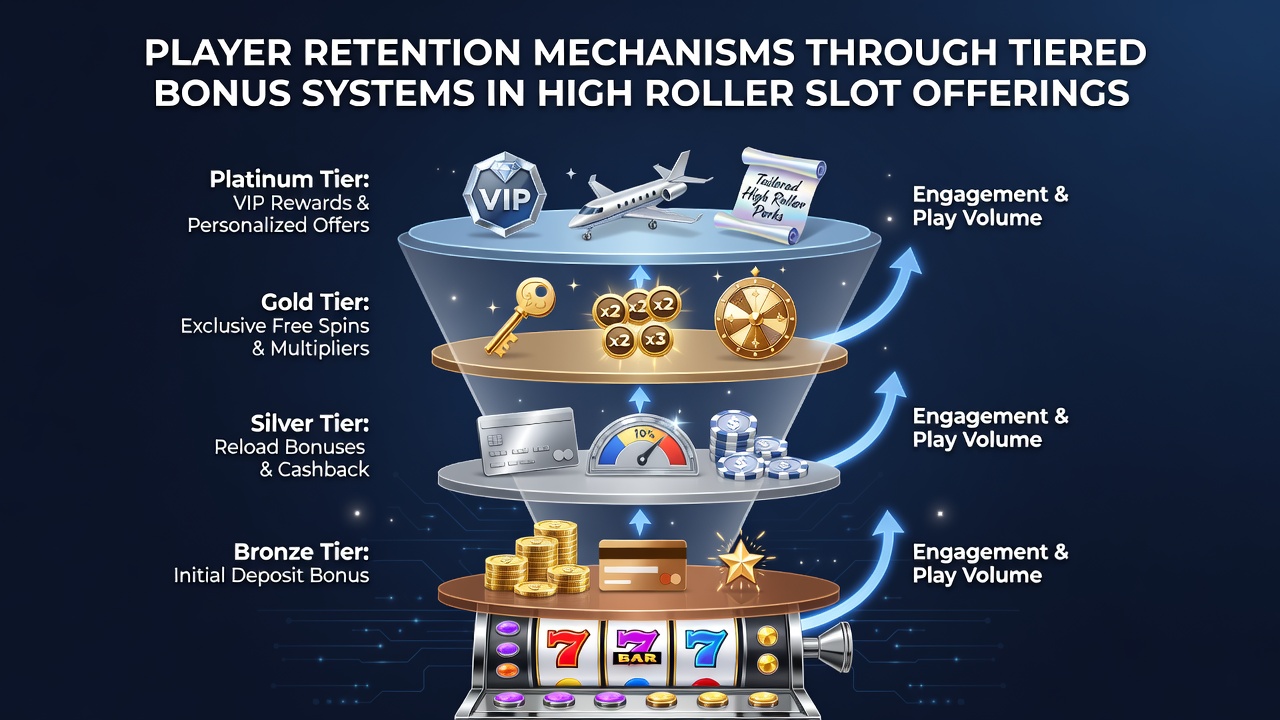
Research conducted by the University of Nevada, Las Vegas International Gaming Institute documented how tiered access to enhanced free spin chains correlates with extended play duration on volatile progressive titles. The study tracked transaction logs across multiple properties and found measurable differences in repeat visit rates between players enrolled in multi-level programs versus those receiving flat-rate promotions.
Regional Regulatory Influences on Implementation
Regulatory frameworks in various jurisdictions shape how operators disclose and structure these tiered offerings. The New Jersey Division of Gaming Enforcement requires clear publication of advancement criteria and reward values, while similar guidelines from the Casino Regulatory Authority of Singapore emphasize audit trails for bonus point calculations. These rules ensure systems remain transparent yet allow flexibility in tailoring benefits to high-value segments.
Industry associations such as the American Gaming Association have compiled aggregate figures revealing that properties employing graduated bonus ladders report steadier revenue streams from premium slot floors during periods of economic variability. Observers note that the combination of immediate rewards like instant cashback and longer-term incentives such as tier-specific jackpot qualifiers sustains participation across extended timeframes.
Data Patterns in Retention Outcomes
Platform analytics demonstrate that players who receive tier upgrades within the first 30 days of enrollment show higher retention metrics than those remaining at entry levels. Systems often deploy targeted communications through in-app notifications or email sequences that outline remaining points needed for the next threshold, prompting additional sessions before status reviews occur.
Linked prize reel ecosystems further amplify these effects when tier benefits include priority access to higher denomination machines or reserved bank positions during peak hours. Such operational details integrate with broader marketing calendars that coordinate bonus promotions around major sporting events or holiday periods, maintaining engagement momentum.
Conclusion
Tiered bonus systems function as structured retention tools within high roller slot environments by aligning reward scales with verifiable play metrics and integrating them into progressive network mechanics. Evidence from regulatory filings and academic analyses indicates these frameworks influence session extension and repeat visitation patterns across multiple markets. As platforms continue refining algorithmic thresholds and cross-regional compliance standards evolve, the operational role of graduated incentives remains central to sustaining high-value player activity through 2026 and beyond.