Player Sequence Dynamics in Linked Prize Pool Ecosystems
Casey Coleman · Jun 7, 2026
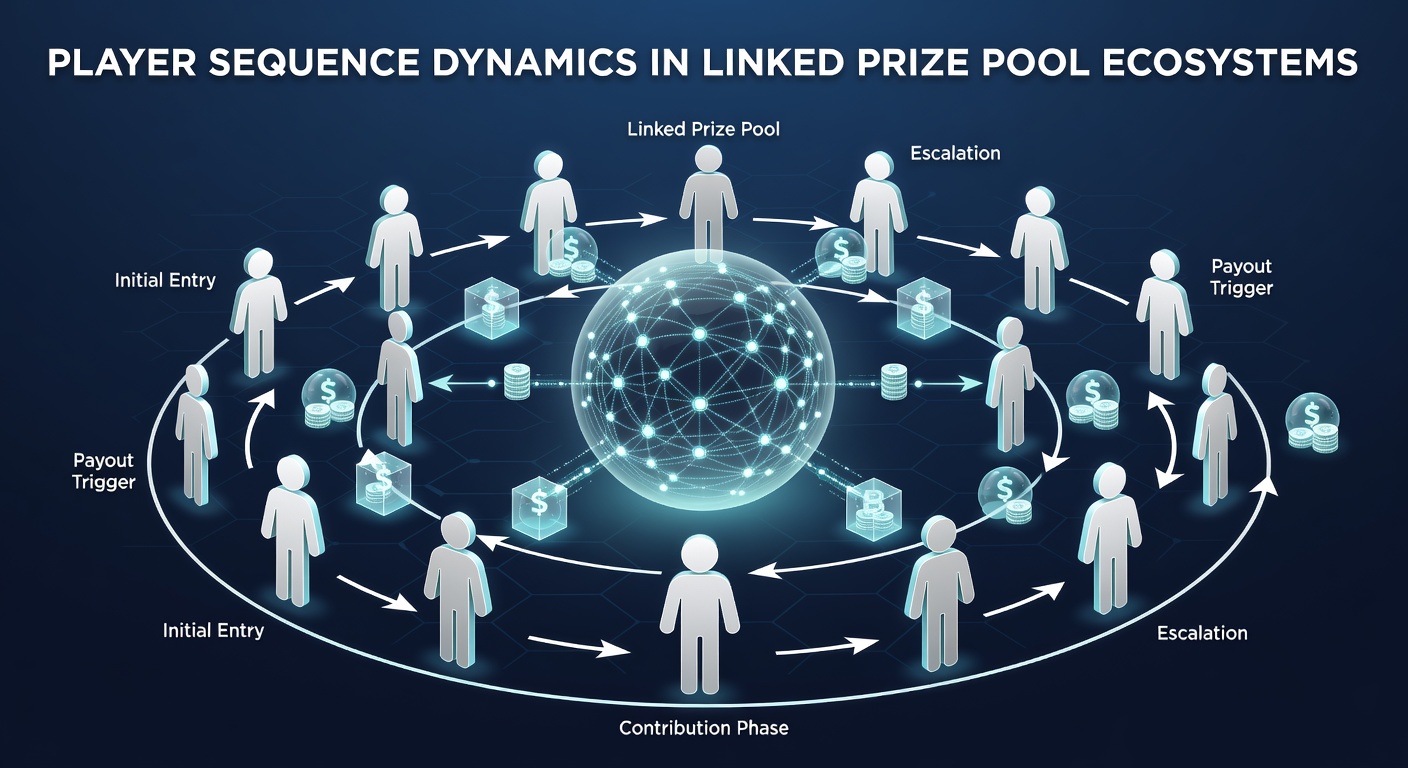
Player Sequence Dynamics in Linked Prize Pool Ecosystems
Linked prize pool ecosystems connect multiple gaming machines across casinos or jurisdictions so that contributions from each bet feed into shared progressive jackpots, and player sequence dynamics refer to the patterns of consecutive wagers, session lengths, and timing intervals that participants exhibit during play. These sequences determine how contributions accumulate and how rewards distribute when jackpots trigger. Data compiled from networked slot systems shows that sequences lasting between 45 and 90 minutes tend to generate higher aggregate contributions per player compared with shorter bursts under 20 minutes.
Core Mechanics of Sequence Tracking
Operators monitor sequences through player loyalty cards and server-side logging that records bet frequency, coin-in totals, and idle periods between spins. When sequences align across multiple machines in the same linked network, the prize pool grows at accelerated rates because simultaneous activity multiplies the rate of contributions. Research from gaming analytics platforms indicates that sequences featuring consistent bet sizing, rather than erratic jumps, correlate with steadier pool growth and fewer premature triggers that reset the meter before it reaches peak values.
Systems also capture cross-location sequences where a single account moves between properties connected to the same prize pool. In these cases the timing gap between logouts and new logins influences whether the sequence registers as continuous or resets for contribution calculations. June 2026 figures from several U.S. multi-property operators revealed that 38 percent of linked-pool contributions originated from players executing sequences spanning two or more venues within a single 24-hour window.
Distribution Patterns Across Networks
Prize distribution in linked ecosystems depends on the density of active sequences at any given moment. When many short sequences overlap during peak evening hours, the probability of a jackpot award rises because the random number generator draws occur more frequently across the collective machine base. Longer, spaced-out sequences spread across off-peak periods produce slower but more predictable pool increments, which some network administrators prefer for maintaining player engagement over extended campaigns.
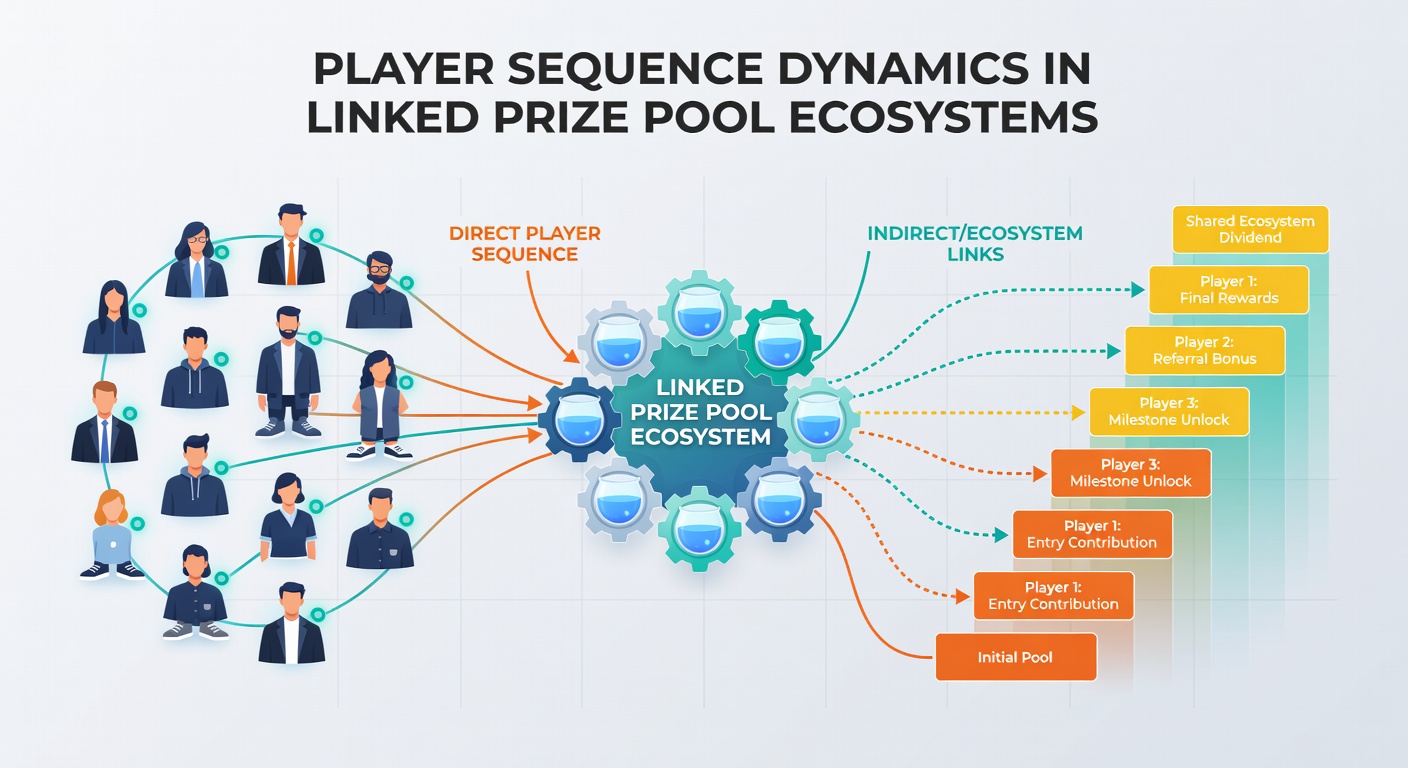
Analysts at the University of Nevada, Reno documented that sequences with average spin intervals of 4.2 seconds produced measurably higher per-minute contributions than sequences averaging 6.8 seconds, even when total coin-in remained constant. The difference arises because faster sequences allow more draws against the prize pool's trigger algorithm before the player departs the machine.
Regional Data and Regulatory Context
Regulatory filings submitted to the Nevada Gaming Control Board in early 2026 showed that linked prize pools covering 12,000 machines across the state recorded an average sequence length of 67 minutes during the first quarter. Those same filings noted that sequences initiated after 10 p.m. lasted 14 percent longer on average than daytime sequences, directly affecting the nightly increment rate of major progressive meters.
Australian gaming authorities tracking similar networked systems in New South Wales reported that sequences interrupted by bonus round triggers tended to resume within 90 seconds at a rate of 72 percent, preserving contribution momentum. Sequences that paused longer than three minutes showed a 41 percent likelihood of permanent termination, reducing overall pool growth for that session.
Technological Integration and Future Monitoring
Modern monitoring platforms integrate real-time sequence mapping with predictive algorithms that forecast pool growth based on current player density and historical timing patterns. These tools allow operators to adjust marketing incentives, such as targeted free-play offers, to extend sequences that align with desired contribution windows. As of June 2026, at least four major North American operators had deployed sequence-based dynamic bonus triggers that activate only when aggregate session length across linked machines exceeds a predetermined threshold.
Observers note that sequence data also informs responsible gaming interventions, because unusually extended play patterns can trigger automated alerts within the same systems that manage prize-pool accounting. This dual-use capability means the same infrastructure supporting jackpot ecosystems now contributes to player-protection protocols without requiring separate data-collection layers.
Conclusion
Player sequence dynamics shape the operational rhythm of linked prize pool ecosystems by determining contribution velocity, trigger frequency, and cross-site engagement levels. Data collected through 2026 demonstrates clear correlations between sequence length, timing density, and pool performance across multiple jurisdictions. Continued refinement of tracking technologies will likely produce more granular models that further connect individual play patterns to network-wide reward distributions.