Player Timing Clusters Shape Reward Synchronization Across Multi-State Slot Networks
Riley Brooks · Jul 31, 2026
Player Timing Clusters Shape Reward Synchronization Across Multi-State Slot Networks
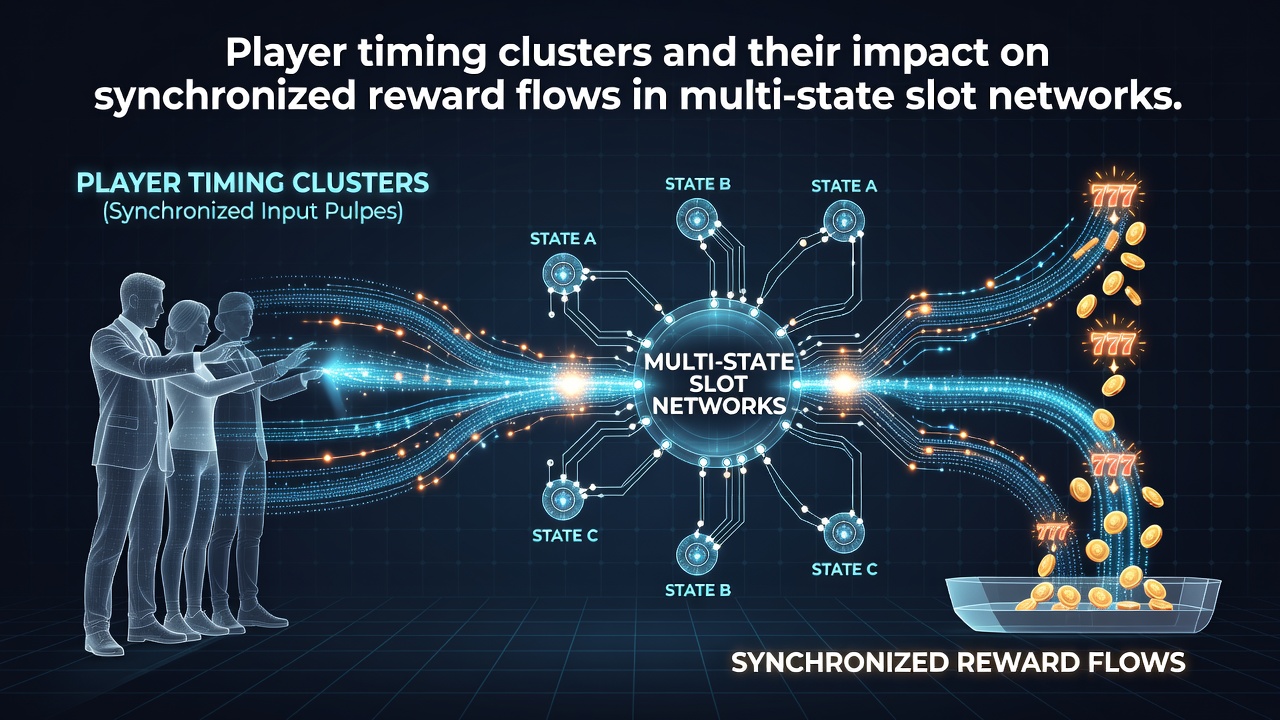
Multi-state slot networks link machines across jurisdictions so that progressive jackpots and bonus pools accumulate from combined player activity, and timing clusters emerge when groups of players initiate spins within narrow windows that align reward triggers across servers. Data from networked platforms shows these clusters form through overlapping session starts, and they influence how prize distributions synchronize because algorithms route contributions to shared meters based on timestamp sequences rather than isolated machine events.
Defining Timing Clusters in Distributed Gaming Systems
Timing clusters occur when player-initiated actions bunch together in short intervals, often measured in seconds or minutes, across separate state lines, and researchers track these patterns through server logs that record spin initiation times and wager amounts. In multi-state setups the clusters create synchronized inflows because each spin feeds into central prize pools, while staggered activity spreads contributions more evenly and reduces peak synchronization events. Observers note that cluster density increases during evening hours when regional time zones overlap in peak play periods, and figures from platform operators indicate clusters can account for up to 40 percent of total daily meter contributions in linked systems.
Systems operators monitor these patterns to adjust payout algorithms, yet the underlying mechanics remain consistent across networks because regulatory frameworks require transparent contribution tracking regardless of jurisdiction. Those who analyze the logs find that clusters frequently correlate with promotional windows, such as bonus credit releases or tournament entries, because players respond simultaneously to the same incentives.
How Clusters Influence Synchronized Reward Flows
Reward flows move through shared meters that update in real time, and timing clusters accelerate these updates by concentrating contributions into brief periods that push meters past threshold values faster than dispersed play would allow. When multiple players spin within the same cluster window the probability of simultaneous bonus activations rises, since the network treats the combined activity as a single aggregated input stream. Studies of linked progressive systems reveal that clusters produce higher variance in reward timing because one dense group can trigger multiple payouts in succession, whereas evenly spaced activity spreads the same total contributions across longer intervals.
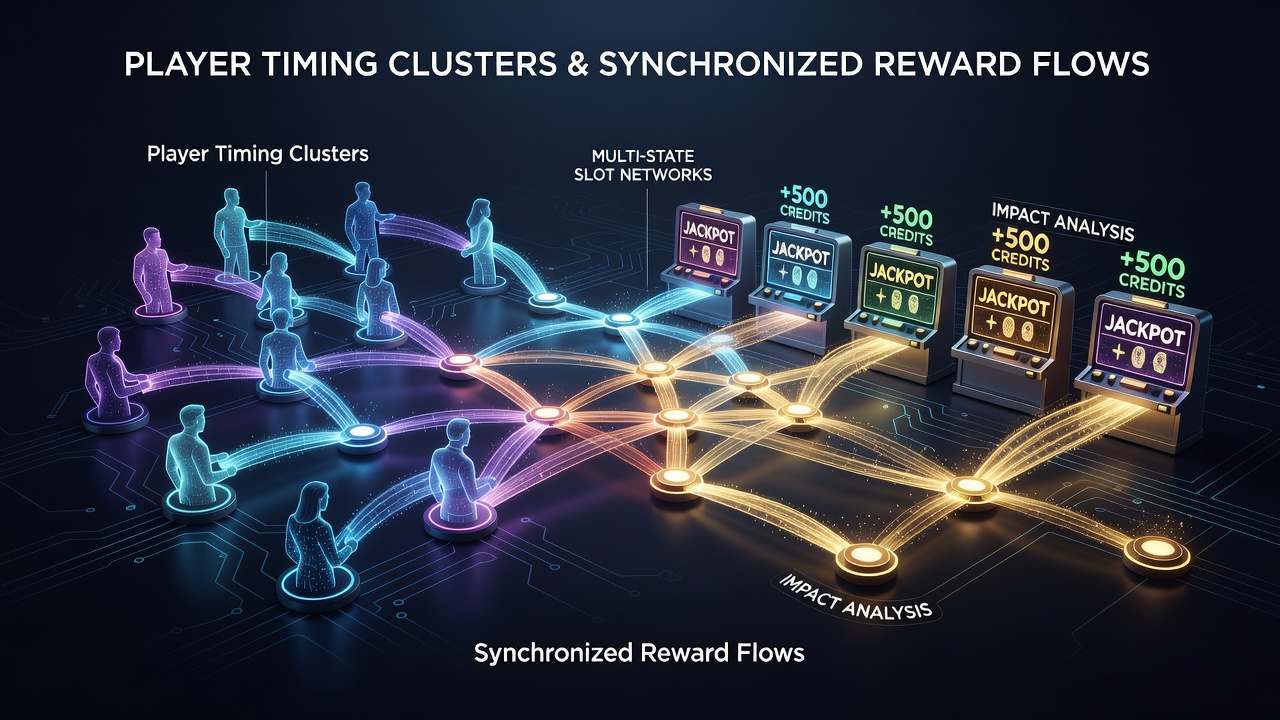
Platform data collected through July 2026 continues to document these effects, with operators reporting that cluster-driven synchronization events account for measurable shifts in prize distribution across state boundaries. The Nevada Gaming Control Board maintains records of contribution volumes from multi-state linkages, and those records demonstrate how clustered inputs affect meter growth rates without altering individual game mathematics.
Technical Mechanisms Behind Cluster Formation
Server architecture in multi-state networks processes spin requests with millisecond precision, and clusters form naturally when latency patterns or user interface prompts cause groups of players to act in near unison. Network latency between states can compress or expand perceived timing, yet the central servers normalize timestamps to maintain accurate contribution accounting. Researchers at academic institutions have examined these dynamics through anonymized datasets, and their analyses show that cluster size scales with the number of linked machines because larger networks offer more opportunities for coincidental overlaps.
Algorithms that manage reward synchronization incorporate rules to handle burst activity, including temporary buffering of contributions and staggered meter updates that prevent overload during dense cluster periods. These safeguards ensure compliance with state-specific payout regulations while preserving the integrity of the shared prize pools.
Regulatory and Operational Considerations
Multi-state operators must report cluster-related activity to multiple regulatory bodies, and the Australian Gambling Research Centre has published guidelines on monitoring synchronized flows to maintain transparency in cross-jurisdictional systems. Compliance teams review timestamp data regularly because synchronized reward events can trigger additional auditing requirements when they exceed defined thresholds. Operators adjust promotional calendars in response to observed cluster patterns, spacing incentive releases to moderate density without reducing overall engagement metrics.
Industry reports from the Canadian Gaming Association document similar patterns in regional networks, confirming that timing clusters remain a consistent feature across different regulatory environments and network scales.
Conclusion
Player timing clusters continue to shape reward synchronization in multi-state slot networks through concentrated contribution patterns that affect meter growth and payout frequency. Platform operators and regulators track these dynamics using timestamp data and contribution logs, and the resulting information guides both technical adjustments and compliance procedures. As networks expand, the relationship between cluster formation and synchronized flows remains a central element of system design and oversight.