Reward Layering Mechanics in Shared Prize Architectures and Their Ties to Sustained Earnings Flow
Riley Brooks · Jul 10, 2026
Reward Layering Mechanics in Shared Prize Architectures and Their Ties to Sustained Earnings Flow
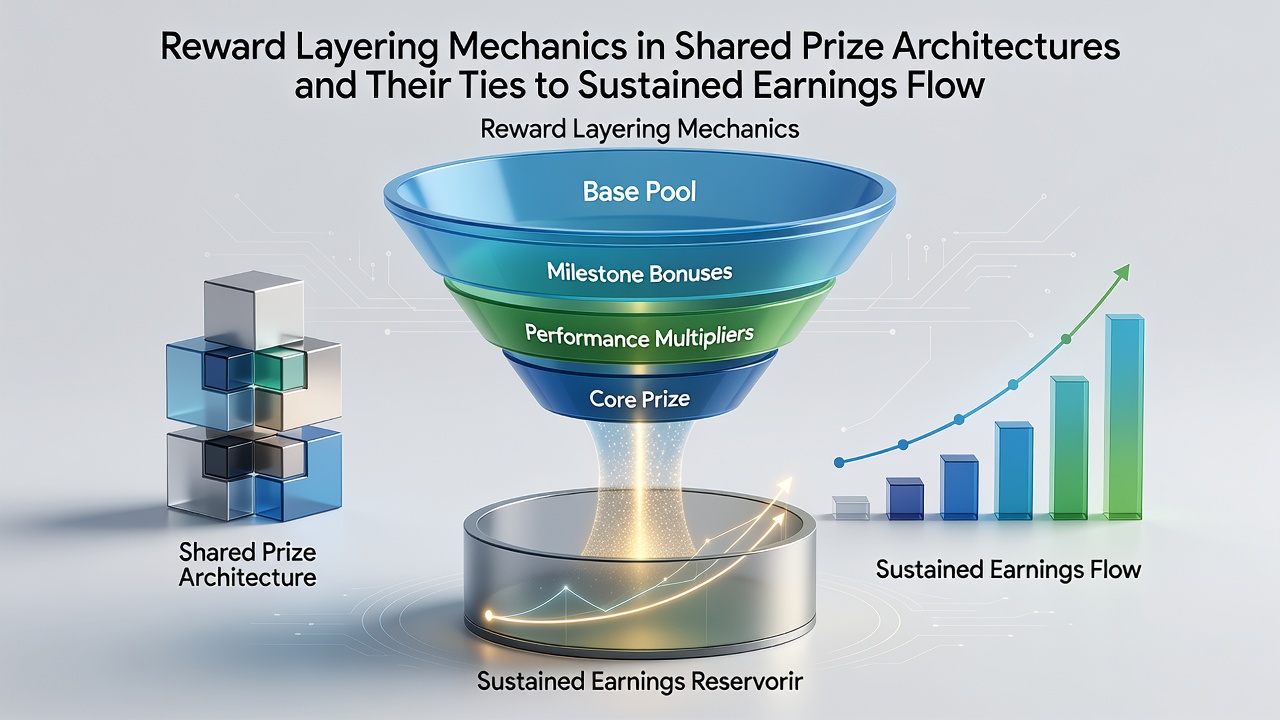
Shared prize architectures connect multiple gaming devices across locations into unified pools where jackpots accumulate from collective wagers, and reward layering adds successive levels of incentives that include base payouts, bonus triggers, and escalating progressive tiers. These systems create pathways for earnings that extend beyond single sessions because each layer encourages continued play while distributing risk across the network, and operators track how these mechanics influence session lengths and total handle.
Core Elements of Shared Prize Systems
Networked prize reel systems link machines in casinos or across regions so that a portion of every bet feeds into common jackpot funds, and data from gaming control boards show that such linkages stabilize revenue by smoothing out variance in individual location results. Researchers at institutions like the University of Nevada, Reno have documented how these pools grow steadily when participation rates remain consistent, which in turn supports predictable contributions to operator earnings even during slower periods.
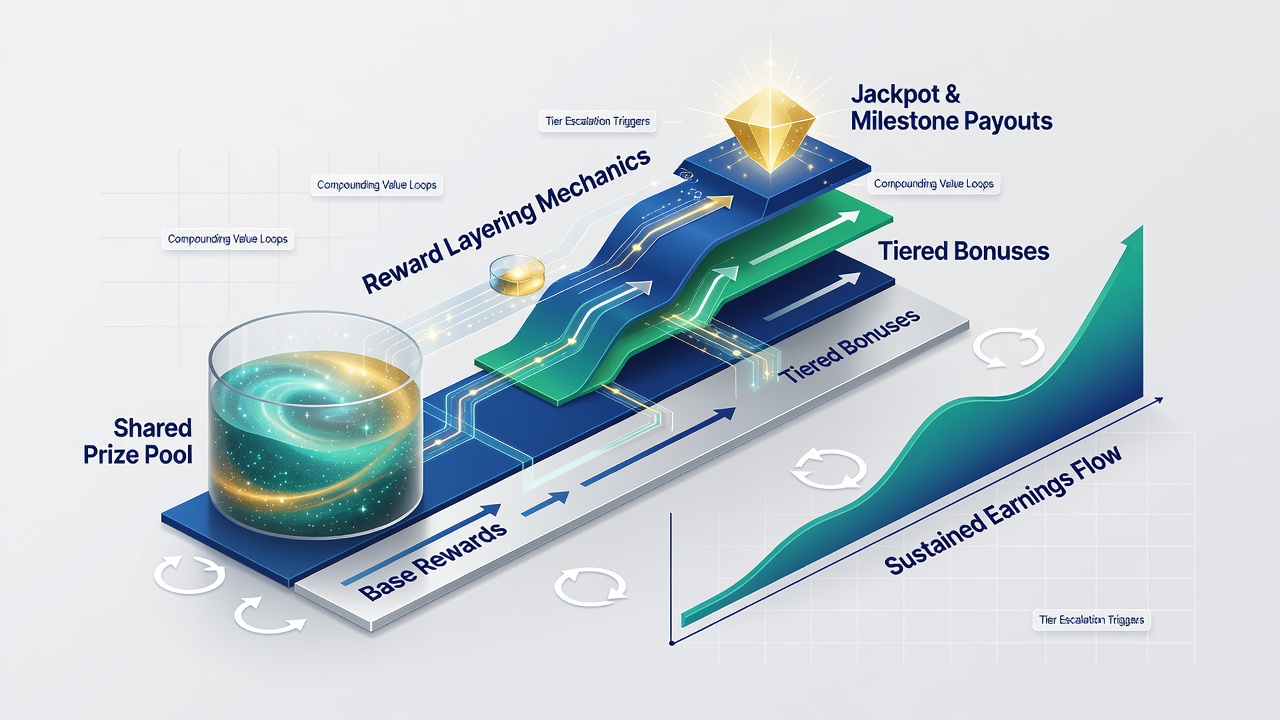
Layering begins with the base game where standard wins occur, then moves to intermediate rewards such as free spins or multiplier events that activate after specific symbol combinations, and finally reaches the top progressive levels that require coordinated triggers across the network. This structure keeps players engaged because each completed layer resets or advances toward the next opportunity, and studies from the Canadian Gaming Association indicate that multi-tier designs correlate with higher average time on device compared to single-prize setups.
How Layering Sustains Revenue Streams
Operators observe that reward layers distribute player activity across longer sequences because intermediate bonuses provide frequent feedback while the shared progressive component maintains interest in larger outcomes. According to figures released by the American Gaming Association, properties using layered progressive networks reported steadier monthly revenue growth in the first half of 2026, particularly when session data showed players completing multiple layers before cashing out. The mechanics work by allocating a fixed percentage of wagers to each tier, so base play funds smaller rewards that encourage immediate re-bets, while upper layers draw from the same wagers but pay out less often, which creates a balanced flow that supports both short-term and long-term earnings.
Timing patterns matter because longer sessions allow more opportunities for layers to interact, and evidence from networked systems reveals that players who encounter at least two reward levels per hour tend to generate higher total wagers. In July 2026, updates from several state gaming commissions highlighted how these patterns contributed to consistent tax revenue collections even as individual casino volumes fluctuated with seasonal visitor trends.
Integration with Promotional and Player Behavior Data
Casino operators integrate player tracking systems with reward layers so that personalized offers align with the tiers a player has reached, which extends engagement without altering the underlying prize architecture. Reports from the Australian Gambling Research Centre note that when promotions target mid-layer achievements, overall handle per device increases because players return to complete unfinished progress toward higher prizes. This approach avoids over-reliance on any single reward type and instead uses the shared network to maintain a steady earnings rhythm across different player segments.
Network effects become visible when multiple locations contribute to the same prize pool, since activity at one site can trigger visible growth that draws attention at others. Those who analyze transaction logs find that the resulting visibility prompts additional wagers as players respond to rising meters, and this feedback loop helps sustain earnings flow even when local foot traffic varies.
Regulatory Context and System Adjustments
Regulatory bodies monitor these architectures to ensure prize contributions remain transparent and that layering does not create unintended concentrations of risk. In several jurisdictions, rules require clear disclosure of how wagers divide among tiers, and compliance data from mid-2026 showed that networks with well-documented layering maintained approval rates for expansions while meeting revenue reporting standards. Adjustments such as recalibrating contribution percentages or adding temporary bonus layers allow operators to respond to observed play patterns without disrupting the core shared prize structure.
Conclusion
Reward layering in shared prize architectures connects frequent smaller incentives with infrequent large payouts to create continuous engagement cycles that support sustained earnings across networked gaming environments. Data from regulatory reports and academic analyses confirm that these mechanics influence session duration and total handle when contribution rates and trigger frequencies align with player behavior patterns. As systems evolve through 2026 and beyond, the documented relationships between layered rewards and revenue stability continue to guide operational decisions in multi-site prize networks.