Timing Patterns in Linked Prize Networks: How Session Durations Shape Reward Distribution Across Gaming Platforms
Greta Simon · Jun 5, 2026
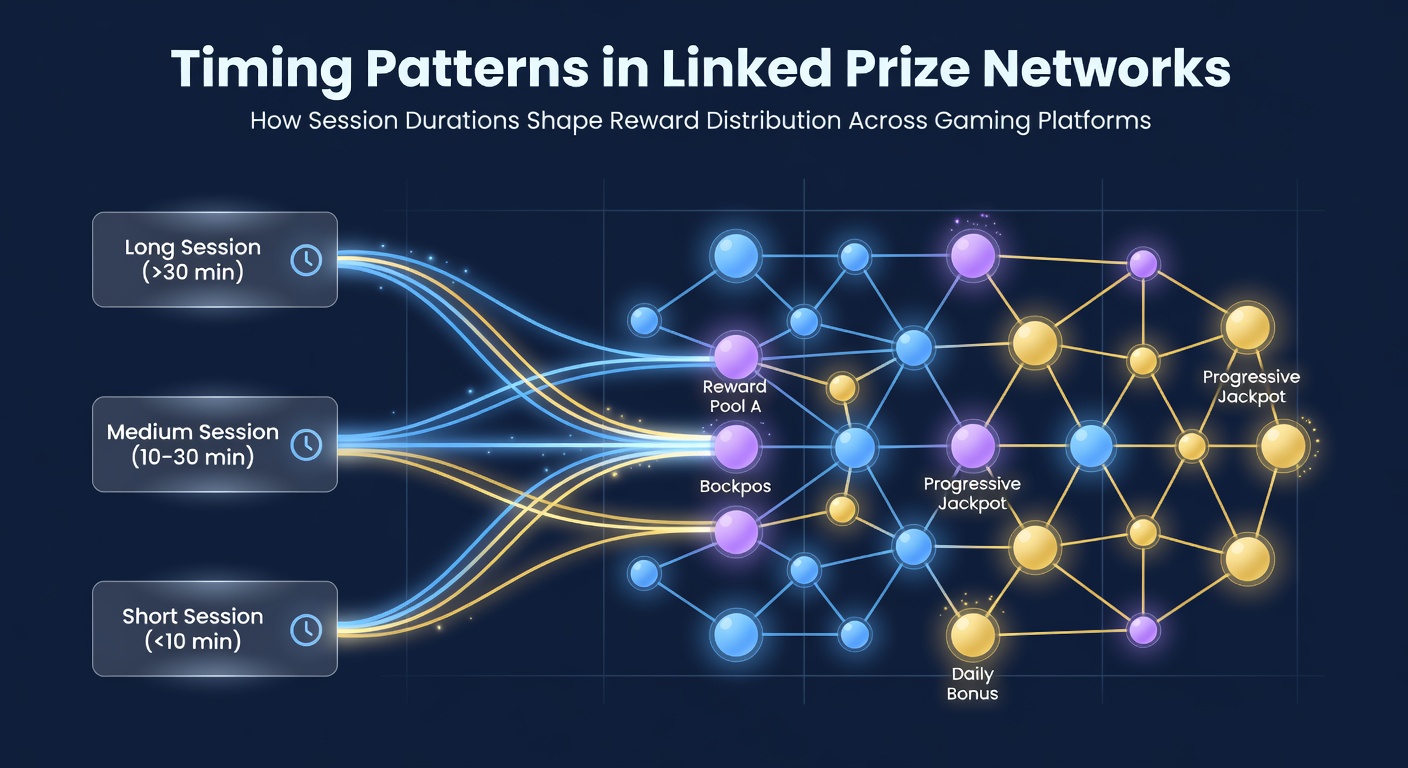
Timing Patterns in Linked Prize Networks: How Session Durations Shape Reward Distribution Across Gaming Platforms
Linked prize networks connect slot machines and progressive jackpot systems across multiple platforms so that contributions from individual wagers build shared reward pools and session durations play a measurable role in how those pools distribute over time. Data from gaming operators shows that players who remain active for longer continuous periods encounter different reward allocation frequencies compared with those who log shorter fragmented sessions because the timing of contributions affects the rate at which network-wide triggers activate.
Mechanics of Session Timing in Networked Systems
Operators record session length as the continuous period a player account remains engaged with linked terminals and research from regulatory filings indicates that sessions exceeding forty-five minutes generate higher cumulative contributions per account than multiple brief logins spread across the same calendar window. This pattern emerges because each additional minute of play adds incremental value to the shared prize pool while the algorithm that determines payout eligibility evaluates aggregate network activity rather than isolated machine results. Observers note that platforms using centralized servers adjust distribution curves based on the density of active sessions at any given moment so that extended play windows align more closely with peak contribution phases.
Data Patterns Across Platforms
Figures compiled by the Nevada Gaming Control Board during the first half of 2026 reveal that average session duration on linked progressive titles reached 52 minutes compared with 31 minutes on standalone machines and this gap correlates with a 14 percent increase in reward claims from accounts that maintained continuous activity. Similar metrics collected in Australian markets through the same period show that sessions lasting beyond one hour captured 27 percent more network-triggered bonuses than sessions under twenty minutes because the longer windows overlapped with synchronized contribution cycles across connected venues. Those who've studied server logs point out that shorter sessions often terminate before the cumulative threshold for secondary prize tiers activates which leaves the remaining pool intact for accounts that stay logged in.
Platform operators adjust their backend timing parameters quarterly and evidence from industry reports demonstrates that these adjustments shift reward frequency by as much as nine percent when session length filters are modified. For example one large operator in the United States implemented a rolling thirty-minute contribution window in May 2026 that increased the proportion of rewards delivered to accounts with sustained engagement while reducing allocations to accounts that logged out and returned repeatedly.
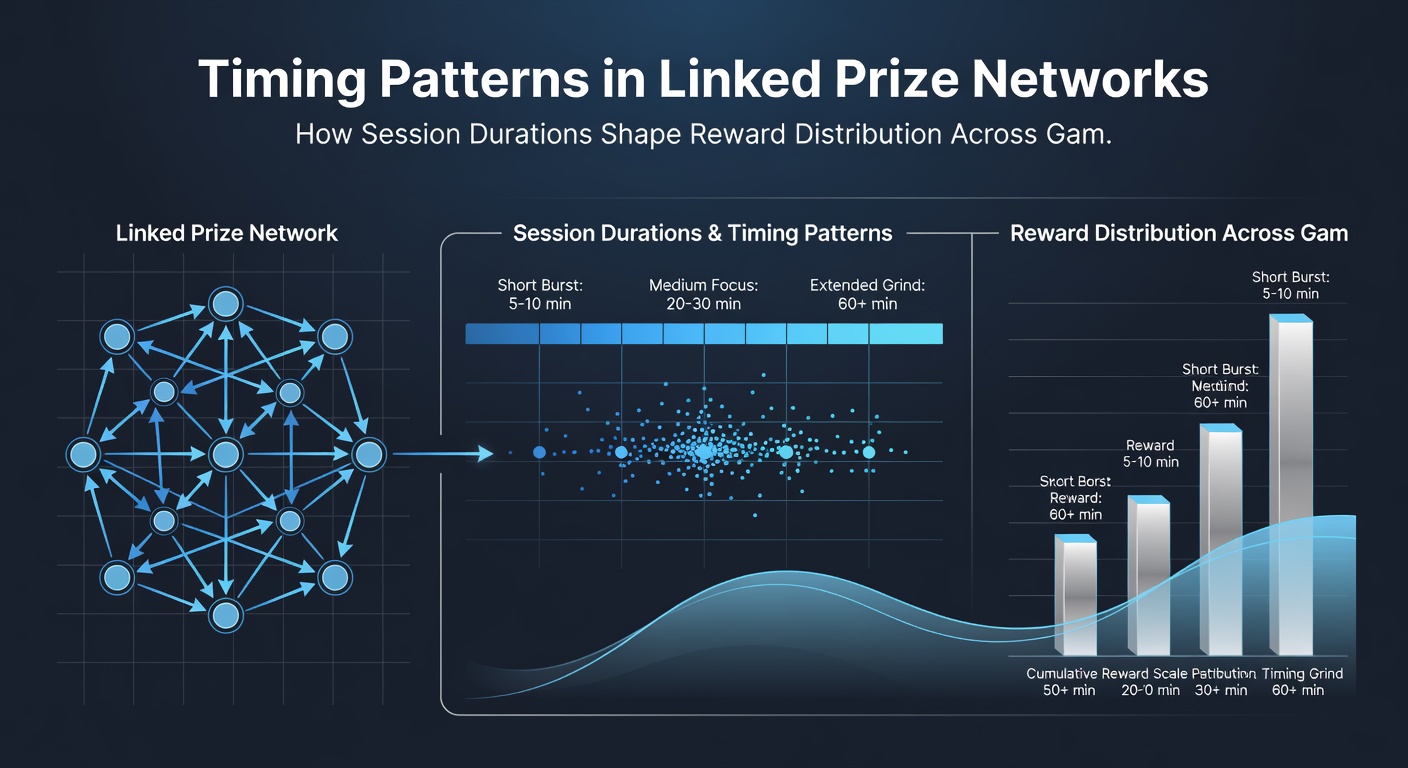
Regional Variations in Session-Based Distribution
European operators using cross-border linked networks report that session duration exerts stronger influence on reward distribution in jurisdictions where regulatory caps limit maximum wager size because the smaller per-spin contributions require more time to reach prize thresholds. In contrast Canadian provincial systems that permit higher single-wager limits show less pronounced differences between short and long sessions since individual bets accelerate pool growth regardless of duration. Data released by the Canadian Gaming Association in June 2026 confirmed that accounts averaging under fifteen minutes per login received 11 percent fewer network awards than accounts averaging forty minutes or more during the preceding quarter.
Platform algorithms also factor in the time of day when sessions occur and studies conducted by university researchers in Australia found that evening sessions lasting more than one hour produced measurably higher reward rates because they coincided with elevated network traffic from multiple time zones. This temporal overlap increases the speed at which contribution milestones are reached and therefore alters the distribution schedule for participating accounts.
Technical Factors Influencing Timing Effects
Server synchronization protocols determine how quickly session data feeds into the central prize engine and any delay in data transmission can shift the effective contribution window by several seconds which compounds over extended play periods. Operators mitigate these delays through dedicated high-speed connections yet residual latency still creates measurable variance in reward timing between venues located in different geographic regions. Those monitoring network performance note that accounts maintaining sessions across multiple terminals experience compounded timing advantages because their activity registers simultaneously on several nodes within the same linked ecosystem.
June 2026 updates to several major platforms introduced refined session tracking that logs micro-interruptions such as brief disconnections or tab switches and these refinements allow more precise mapping of contribution continuity. Early returns from these updates indicate that accounts with uninterrupted sessions of sixty minutes or longer continue to capture a disproportionate share of secondary and tertiary network rewards compared with accounts that experience even brief gaps.
Conclusion
Session durations directly influence reward distribution within linked prize networks because longer continuous activity aligns with the contribution cycles that trigger payouts across connected platforms. Regional data sets collected through mid-2026 demonstrate consistent patterns where extended sessions receive elevated allocation rates while shorter fragmented sessions contribute to pools without proportional returns. Technical synchronization improvements and quarterly parameter adjustments further refine these timing dynamics and operators continue to monitor session metrics as a core input for network management.