Tracing Credit Conversion Rates Through Layered Bonus Systems in Expanding U.S. Gaming Markets
Erik Lehmann · Jun 21, 2026
Tracing Credit Conversion Rates Through Layered Bonus Systems in Expanding U.S. Gaming Markets
Operators across expanding U.S. gaming markets have refined layered bonus systems where credit conversion rates determine how promotional credits transform into playable funds, and data from multiple state regulators show these rates fluctuate between 60 and 95 percent depending on the tier structure and game type involved. Markets in states such as New Jersey, Pennsylvania, and Michigan have reported steady growth in these systems since early 2025, with June 2026 figures indicating further integration of multi-level rewards that track player sequences across online and land-based platforms.
Layered bonus frameworks typically begin with entry-level credits that convert at higher rates before feeding into mid-tier and high-roller segments where conversion percentages tighten to control payout exposure. Researchers tracking these pathways note that conversion mechanics rely on server-side algorithms that adjust in real time based on session duration and bet cadence, which allows operators to maintain consistent revenue streams while meeting regulatory disclosure requirements.
Mechanics of Credit Conversion in Multi-Tier Structures
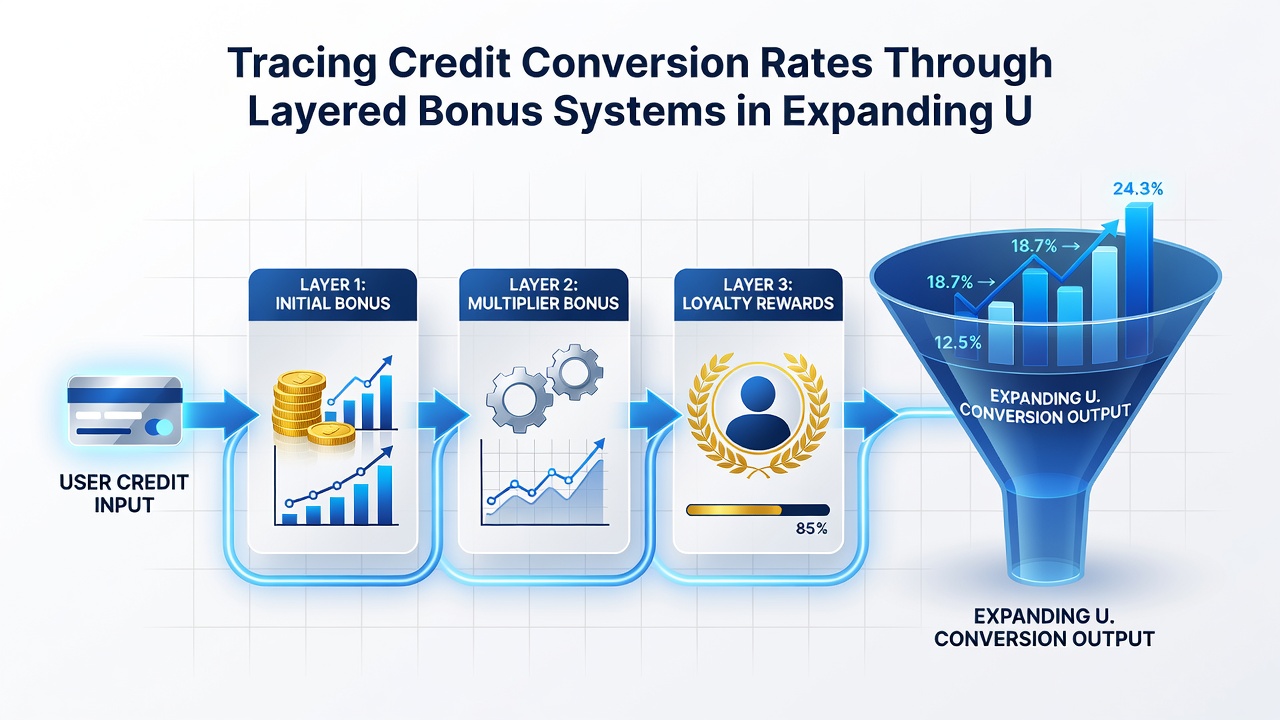
Conversion rates operate through sequential stages where initial bonus credits must meet playthrough thresholds before unlocking subsequent layers, and industry reports confirm that each stage applies a distinct multiplier that reduces the effective credit value. For instance, a base bonus might convert at 85 percent into standard credits while the next layer applies an 70 percent rate that accounts for volatility adjustments across progressive reel networks. Those who have examined transaction logs from distributed gaming servers find that these reductions accumulate predictably, producing measurable differences in net player returns.
State oversight bodies require operators to publish average conversion metrics quarterly, yet the actual formulas remain proprietary and tied to proprietary software platforms. Data collected through June 2026 reveals that systems handling higher volumes of networked prize reels show tighter conversion bands to offset larger jackpot liabilities, whereas standalone casino environments maintain slightly more generous rates to stimulate initial engagement.
Regional Expansion Patterns and Conversion Tracking
New casino developments scheduled for 2026 have adopted unified tracking protocols that link credit conversion across multiple properties within the same corporate network, and figures from the Massachusetts Gaming Commission demonstrate how these linkages produce more stable conversion outcomes than isolated venues. Expansion in the Midwest and Southeast has introduced additional variables such as cross-state player accounts, which require synchronized conversion engines to prevent arbitrage between differing regulatory standards.
Observers note that June 2026 data sets highlight increased reliance on API connections between bonus management systems and central credit ledgers, enabling precise tracing of every credit unit from issuance through redemption. This infrastructure supports compliance audits while supplying operators with granular insights into how layered bonuses influence overall hold percentages.
Data Insights from Mid-2026 Market Reports
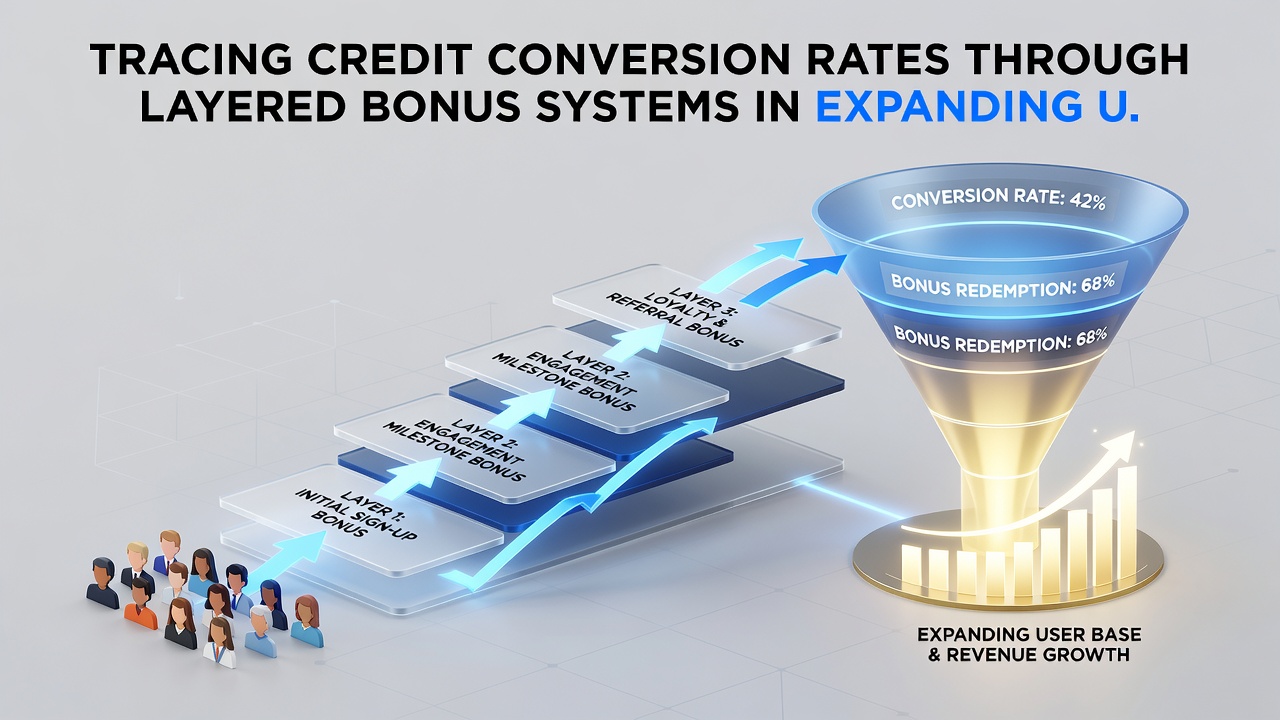
Analysis of aggregated transaction records shows that conversion rates in layered systems correlate strongly with average session length, with longer play periods yielding higher effective conversion after all tiers activate. Regulatory filings submitted in the first half of 2026 indicate that operators in newly opened markets have calibrated rates to fall within ranges that balance player retention against house edge preservation. Those reviewing the filings observe that adjustments implemented in May and June produced measurable shifts in reward distribution patterns across linked prize reel ecosystems.
Additional studies conducted by university research teams have mapped conversion pathways using anonymized data sets, revealing that tiered structures with four or more layers exhibit greater variance in final credit values compared with simpler two-tier models. These findings align with operational reports from expanding properties where promotional budgets allocate differently based on predicted conversion outcomes.
Regulatory Considerations Across Jurisdictions
Multiple state gaming agencies have updated their reporting templates to capture conversion rate statistics at each bonus layer, and the resulting transparency allows cross-jurisdictional comparisons that were previously unavailable. Canadian provincial regulators, for example, have shared methodological approaches with U.S. counterparts through industry forums, yet each jurisdiction maintains distinct thresholds for acceptable variance. Alcohol and Gaming Commission of Ontario documentation from 2025 provides reference models that several American operators have adapted for their layered systems.
Compliance teams emphasize that accurate tracing of credit conversion supports both responsible gaming initiatives and financial reporting accuracy, particularly as markets continue to scale in 2026. The integration of these reporting standards has coincided with the rollout of new casino phases, creating standardized benchmarks that operators reference when designing future bonus architectures.
Conclusion
Tracing credit conversion rates through layered bonus systems has become a core operational function in expanding U.S. gaming markets, supported by evolving technology platforms and coordinated regulatory oversight. Data compiled through June 2026 illustrates consistent patterns in how multi-tier structures manage credit flow, while ongoing expansions introduce new variables that operators and regulators continue to monitor. These systems remain central to revenue management strategies as markets mature and additional properties come online.