Tracing Incentive Pathways Through Multi-Tier Prize Reel Ecosystems
Greta Simon · May 22, 2026
Tracing Incentive Pathways Through Multi-Tier Prize Reel Ecosystems
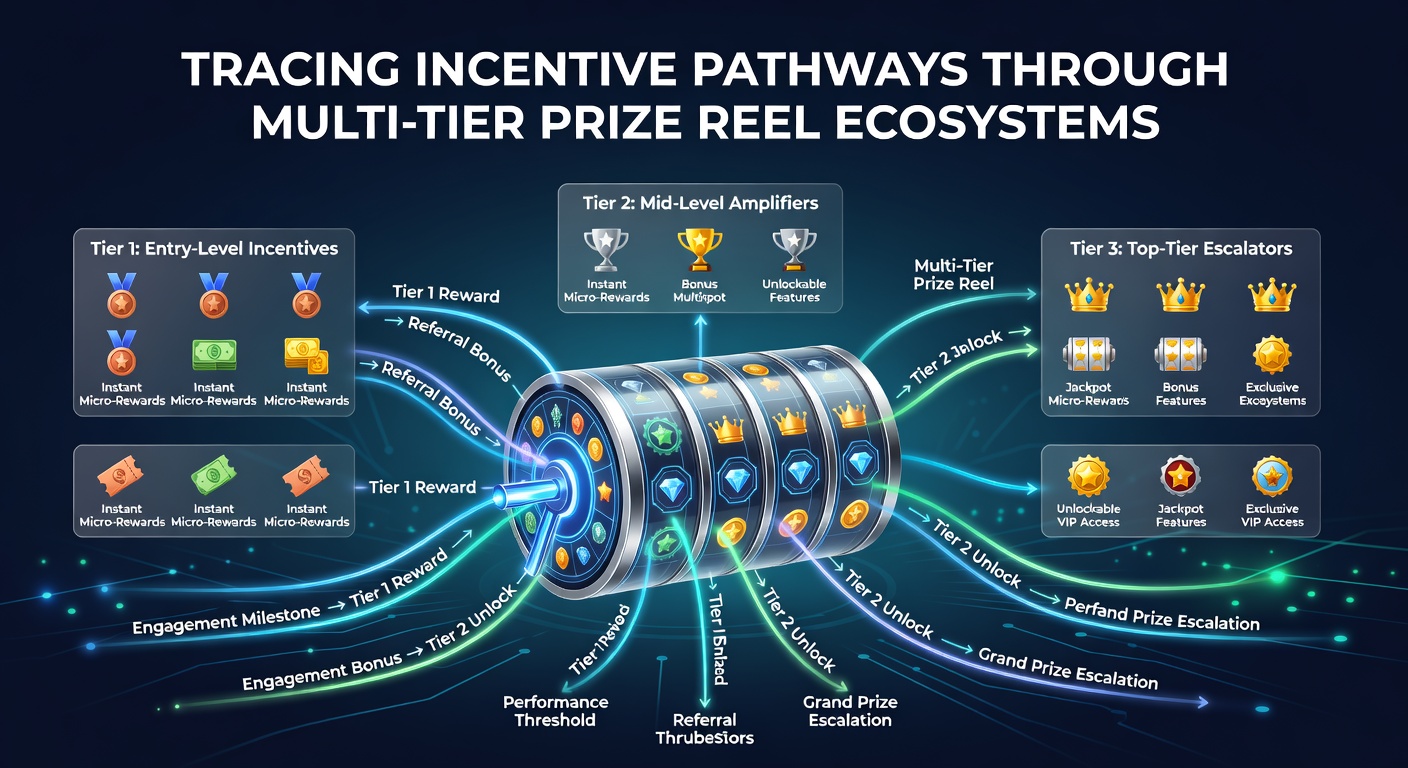
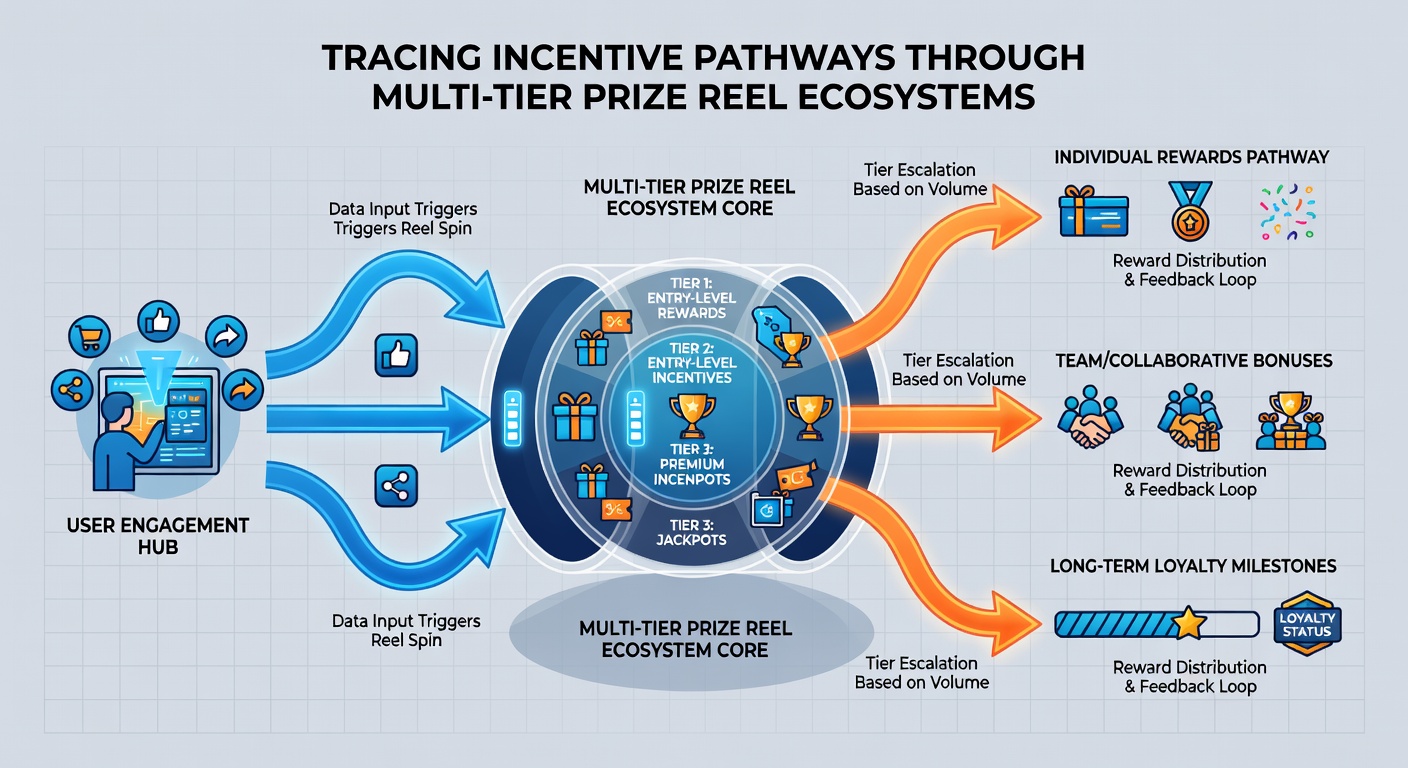
Multi-tier prize reel ecosystems organize slot and video reel games into graduated levels where incentives move along defined routes from entry rewards up through premium jackpot tiers, and operators track these movements using integrated software that logs player activity across each layer. Data from gaming floors shows that base-tier incentives such as loyalty credits feed into mid-level bonus rounds while higher tiers unlock progressive multipliers, and this structure allows casinos to distribute prizes in measured increments rather than flat payouts.
Operators design these pathways so that small initial rewards accumulate toward larger opportunities, and studies from industry research groups indicate that players who advance through at least three tiers generate higher overall handle than those who remain at the entry level. Software platforms record every credit transfer and reel spin outcome, which creates detailed maps of how incentives travel between tiers without requiring manual oversight.
Core Components of Tiered Reel Structures
Each ecosystem contains distinct prize bands that activate based on wager size, session length, and accumulated points, while central servers calculate eligibility in real time. Lower tiers typically deliver fixed free-spin bundles or cash-back credits, and these rewards transition into mid-tier features once players reach preset thresholds such as 500 loyalty points or 200 spins within a single session. Upper tiers incorporate progressive elements where contributions from multiple machines pool into shared jackpots, and the flow continues upward when players meet additional volume requirements.
Hardware sensors on modern cabinets capture every reel stop and bonus trigger, then route that information to backend databases that update incentive balances across all active accounts. Analysts note that this continuous data stream lets operators adjust prize allocation percentages on a weekly basis, and adjustments occur most often when mid-tier redemption rates exceed forecasts by more than 8 percent.
Data Patterns in Incentive Movement
Figures compiled by regional gaming authorities reveal that incentive pathways produce measurable engagement spikes at each tier transition point, and these spikes appear consistently across both high-traffic urban properties and regional markets. One pattern shows that players who receive a mid-tier bonus within the first 30 minutes of play are 2.4 times more likely to reach the top progressive level before ending their session. Tracking tools segment these behaviors by time of day and machine bank location, which helps floor managers reposition high-tier titles near high-traffic walkways.
Reports from the Nevada Gaming Control Board document that properties using multi-tier tracking software report average increases in coin-in per machine of between 11 and 14 percent during promotional windows, and these gains hold steady when incentives reset on a 24-hour cycle. External audits confirm that the pathways remain balanced because algorithms cap the percentage of total revenue directed to any single tier, and this cap prevents over-concentration of payouts at the highest levels.
Regulatory Oversight and May 2026 Developments
State regulators require operators to maintain auditable logs of every incentive transfer between tiers, and these records must remain available for review for a minimum of five years. In May 2026 several jurisdictions plan to implement updated technical standards that mandate real-time reporting interfaces for multi-tier systems, and compliance teams are already testing data feeds that will satisfy the new format. The changes aim to give regulators direct visibility into how prize pools accumulate and disperse without interrupting live gameplay.
Industry associations such as the American Gaming Association have published guidelines that recommend quarterly stress tests of pathway algorithms, and these tests simulate sudden spikes in player volume to verify that incentive distribution remains within approved parameters. Observers note that properties preparing for the May 2026 deadline have begun mapping every existing route through their reel ecosystems so that software updates can be applied with minimal downtime.
Integration With Loyalty and Promotional Systems
Modern loyalty platforms connect directly to reel ecosystem servers, and this linkage allows points earned on lower tiers to convert automatically into higher-tier entry tickets. When a player redeems a mid-tier reward, the system logs both the redemption and the resulting change in progressive contribution rates, and that information feeds back into future incentive offers. Casino marketing teams use these conversion records to segment player lists for targeted promotions that encourage continued upward movement through the tiers.
Case examples from properties in multiple states show that synchronized loyalty and reel systems produce longer average session durations, and the increase occurs because players receive immediate feedback when they cross into the next prize band. Database queries run nightly to identify accounts that stalled at a particular tier, and automated messages then deliver tailored incentives designed to restart forward progress.
Conclusion
Tracing incentive pathways through multi-tier prize reel ecosystems requires continuous monitoring of data flows, precise tier thresholds, and compliance with evolving regulatory timelines that include the May 2026 reporting updates. Operators who maintain clear records of every reward movement can adjust prize structures quickly while meeting oversight requirements, and the resulting systems deliver consistent engagement metrics across diverse market conditions.