Uncovering Connections Between Promotional Rewards and Long-Term Engagement in Slot-Based Gaming Platforms
Yara Perry · Jul 8, 2026
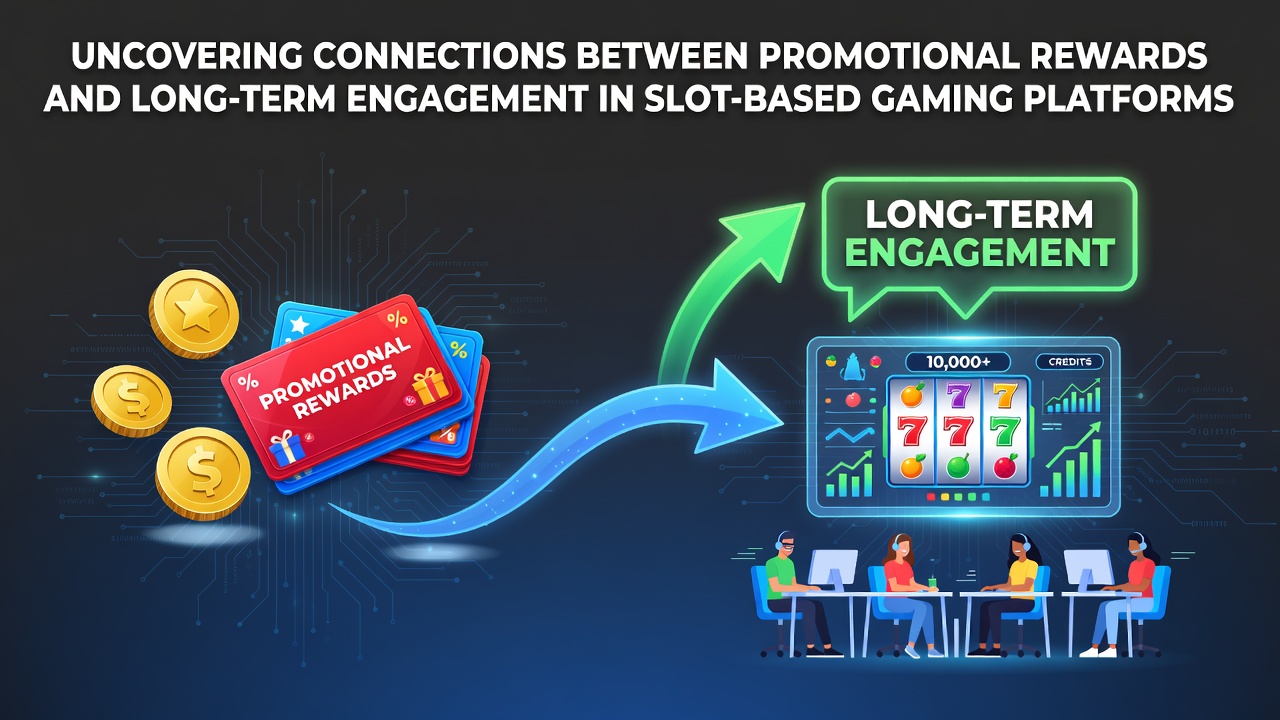
Uncovering Connections Between Promotional Rewards and Long-Term Engagement in Slot-Based Gaming Platforms
Promotional rewards in slot-based gaming platforms include deposit matches, loyalty points, and targeted cashback offers that operators deploy to shape player behavior over extended periods. These incentives connect directly to engagement patterns because they encourage repeated logins, longer session lengths, and higher deposit frequencies according to aggregated platform data. Researchers track these links through retention curves and lifetime value calculations that reveal how initial reward redemptions often precede sustained activity months later.
Operators structure reward systems around tiered loyalty programs where accumulated points unlock escalating benefits. Players who reach mid-level tiers show measurable increases in weekly playtime compared with non-participants, and the effect compounds when rewards align with personal betting patterns. Data from multiple jurisdictions indicates that platforms integrating real-time reward notifications see faster progression through loyalty stages than those using static monthly summaries.
Core Components of Promotional Systems
Slot platforms deliver rewards through several channels that interact with player accounts in distinct ways. Welcome packages typically combine matched deposits with free credit bundles, while ongoing promotions feature weekly reloads and milestone bonuses tied to specific wager volumes. These components operate within broader ecosystems where server-side algorithms adjust offer frequency based on individual play history, creating feedback loops that reinforce continued participation.
Systems also incorporate personalized triggers such as birthday bonuses or streak-based rewards that activate after consecutive days of activity. Observers note that platforms employing machine learning to time these offers achieve higher redemption rates, which in turn correlate with extended account lifespans. The timing of reward distribution matters because immediate credits after a session end tend to prompt quicker returns than delayed mailers.
Engagement Measurement Approaches
Long-term engagement appears in metrics that span beyond single sessions, including monthly active user counts, average revenue per user over six-month windows, and churn probability scores derived from behavioral signals. Analysts combine these indicators with reward exposure data to identify statistical associations, revealing that players receiving at least one promotional credit per month maintain accounts longer on average. Cross-platform comparisons show regional variations, with North American operators reporting stronger retention lifts from cashback structures than from free credit bundles.
One study released in early 2026 examined server logs from several large networks and found that reward redemption events preceded measurable upticks in session count for 68 percent of tracked accounts. Those accounts also displayed elevated deposit consistency during the following quarter. Platforms that segment users by reward type further refine these observations, separating the effects of time-limited offers from evergreen loyalty mechanics.
Patterns Observed in July 2026 Data Releases
July 2026 brought updated reporting from multiple gaming authorities that highlighted reward-engagement linkages across different market segments. Figures from the Nevada Gaming Control Board demonstrated that loyalty program participants generated 22 percent more handle over twelve-month periods than non-members, while similar trends appeared in reports covering Canadian provincial operators. These releases also noted that platforms adjusting reward structures mid-year recorded corresponding shifts in retention curves within eight weeks of implementation.
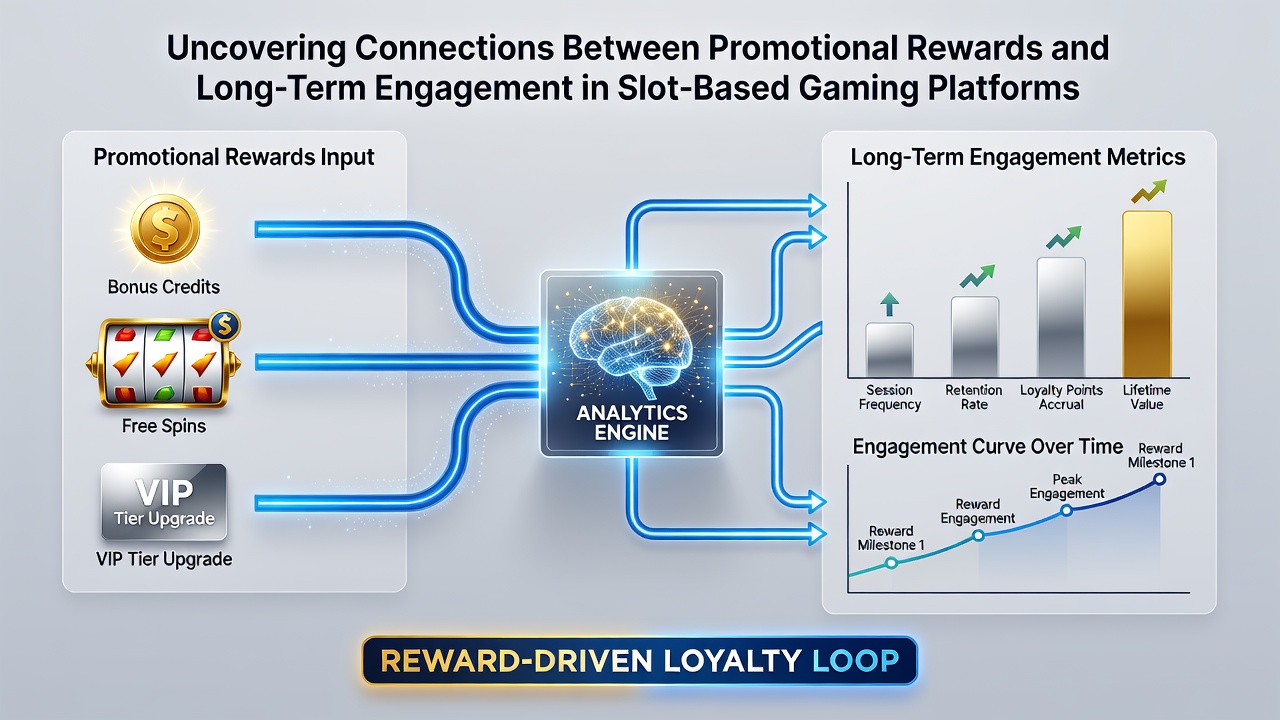
Additional insights emerged from academic collaborations with industry partners. A joint project involving researchers at the University of Nevada, Las Vegas examined how reward velocity, the speed at which credits convert to playable funds, influences return frequency. Their findings indicated that instant-access rewards produced steeper engagement slopes during the first ninety days compared with rewards requiring manual claims. The study further documented that these early gains translated into sustained differences in annual play volume when tracked across full calendar years.
Influencing Variables Across Platforms
Game volatility and reward design interact in ways that affect engagement durability. High-volatility titles paired with frequent small rewards show different retention signatures than low-volatility games supported by occasional large bonuses. Platform operators adjust these pairings based on aggregate data, and the resulting configurations produce measurable differences in player lifetime metrics. Geographic factors also play roles, because regulatory limits on bonus structures vary and create natural experiments in reward efficacy.
Communication channels add another layer. Push notifications linked to reward availability outperform email-only approaches in driving immediate returns, yet over-notification risks accelerating churn in certain cohorts. Analysts therefore monitor open rates alongside subsequent play data to calibrate delivery schedules that maximize long-term account activity without triggering fatigue.
Conclusion
The documented connections between promotional rewards and extended engagement rest on consistent patterns across multiple data sources and market environments. Reward structures that align with player preferences and session rhythms contribute to higher retention figures, while timing and personalization amplify those effects. Continued monitoring of these relationships through regulatory reports and platform analytics supports ongoing refinement of incentive systems in slot-based environments.